

Key Points:
- Hypersensitivity in autism refers to heightened sensitivity to sensory stimuli like sounds, textures, or lights, which can overwhelm individuals on the spectrum.
- Sensory processing challenges are common in children with autism, leading to various behaviors triggered by sensory overload.
- Understanding and managing hypersensitivity through structured therapy, including ABA therapy, can significantly improve the quality of life for children on the spectrum.
For many individuals with autism, the world can feel overwhelming due to the way they experience sensory stimuli. According to studies, approximately 96% of autistic children experience some form of hypersensitivity.
Whether it’s a flickering light, loud sounds, or certain textures, hypersensitivity in autism is a common challenge. This heightened sensory response can significantly impact daily life, often leading to distress or even physical reactions such as meltdowns.
Understanding what hypersensitivity in autism means and how it manifests can be crucial for parents and caregivers who are seeking ways to support their child. In this article, we’ll dive into the sensory processing challenges related to hypersensitivity, how it affects children with autism, and the strategies that can help them cope and thrive.
What Is Hypersensitivity in Autism?
Hypersensitivity in autism refers to an exaggerated or heightened response to sensory stimuli. Sensory processing issues are a hallmark of autism, with many individuals experiencing hypersensitivity to sounds, sights, smells, touch, or taste. These reactions can be intense and overwhelming, making it difficult for individuals to focus or participate in everyday activities.
For example, a child with autism might cover their ears when they hear a vacuum cleaner, or they might refuse to wear certain clothing due to the texture of the fabric.
These responses are not just preferences but can be indicative of how their sensory system processes information differently. In some cases, these sensitivities can lead to meltdowns or withdrawal as a way to cope with the sensory overload.
5 Symptoms of Hypersensitivity in Autism
There are several signs and behaviors that may suggest hypersensitivity in children with autism. While each individual is unique, these symptoms are commonly observed. Recognizing these signs early can help you better understand your child’s needs and create a more comfortable environment for them. Below are some examples:
Overreacting to Sensory Input
Children may seem overly sensitive to everyday stimuli, such as bright lights, loud noises, or certain textures. For example, they may be visibly distressed by the hum of a fan or the feel of certain fabrics.
Avoidance of Certain Sensory Experiences
To avoid discomfort, children may avoid specific places or situations, such as refusing to enter a room with fluorescent lighting or covering their ears in response to background noise.
Meltdowns and Tantrums
When overwhelmed by sensory input, children may experience intense emotional responses like crying, screaming, or aggression. These behaviors are often linked to sensory overload.
Difficulty with Certain Foods
Sensory hypersensitivity can also affect taste. A child may avoid specific foods due to their texture, smell, or taste, often leading to a limited diet.
Hyper-focus on Sensory Stimuli
In some cases, children may become overly focused on a particular sound, texture, or light, ignoring everything else around them. This can disrupt their ability to engage in other activities or social interactions.
If you’re interested in learning more about the physical aspects of autism, check out our article “Identifying the 6 Key Physical Symptoms of Autism Spectrum Disorder.” Understanding these symptoms can help improve how we approach daily challenges related to hypersensitivity in autism. For helpful strategies and coping tips, don’t miss our guide on how hypersensitivity affects daily life and ways to manage it.
What Causes Hypersensitivity in Autism?
The underlying cause of hypersensitivity in autism is tied to differences in how the brain processes sensory information. The sensory system, which is responsible for detecting and interpreting sensory stimuli, works differently in individuals with autism. Below are some common causes of hypersensitivity in autism:
Neurodevelopmental Differences
Autism is a neurodevelopmental disorder that affects brain structure and function. These brain differences can alter the way the brain processes sensory input, making it more sensitive or less able to filter out non-essential stimuli.
Overactive Sensory Pathways
In some children with autism, sensory pathways in the brain may become overactive, causing them to perceive stimuli as more intense than they are. This heightened sensitivity can be triggered by both external and internal factors.
Sensory Integration Dysfunction
Many children with autism have sensory integration dysfunction, meaning their brains have difficulty processing and responding to sensory information appropriately. This can lead to exaggerated responses to stimuli, as well as difficulties in adapting to changes in the sensory environment.
While hypersensitivity is not the same for everyone with autism, these underlying factors contribute to the sensory challenges that many individuals face. Understanding the cause of these challenges can help in developing effective strategies to reduce the impact on daily life.

How Hypersensitivity in Autism Affect Daily Life
Living with hypersensitivity can be challenging, as sensory overload can trigger anxiety, frustration, or even physical distress. Children with autism who are hypersensitive may experience difficulties in several areas of their lives, including:
1. School and Social Environments
Classrooms and social settings are often filled with various sensory stimuli, from fluorescent lights to the noise of other children. For children with hypersensitivity, these environments can be overwhelming.
They may struggle to focus or participate in activities due to sensory discomfort. This can also affect their social interactions, as they may avoid or withdraw from social situations because of sensory overload.
2. Family and Home Life
At home, hypersensitivity can affect daily routines. Simple tasks like getting dressed, eating meals, or taking a bath may become challenging if certain textures or sensations are intolerable.
This can lead to resistance, tantrums, or refusal to engage in activities that others may find routine. Families may need to find creative solutions, such as using specific clothing or avoiding certain foods, to accommodate their child’s sensitivities.
3. Public Places and Travel
Public spaces like grocery stores, shopping malls, or restaurants are often noisy and crowded, which can be overwhelming for a child with hypersensitivity.
This may make outings stressful or even impossible, limiting the child’s ability to participate in activities outside the home. Similarly, travel can be difficult due to sensory discomforts like the hum of the car, the sensation of moving, or the bright lights in airports.
4 Strategies for Parents to Help a Child with Hypersensitivity in Autism
Parents can play a crucial role in helping children with autism navigate their hypersensitivities. Through a combination of strategies, children can learn to manage their sensory responses and reduce discomfort. Below are some tips to consider:
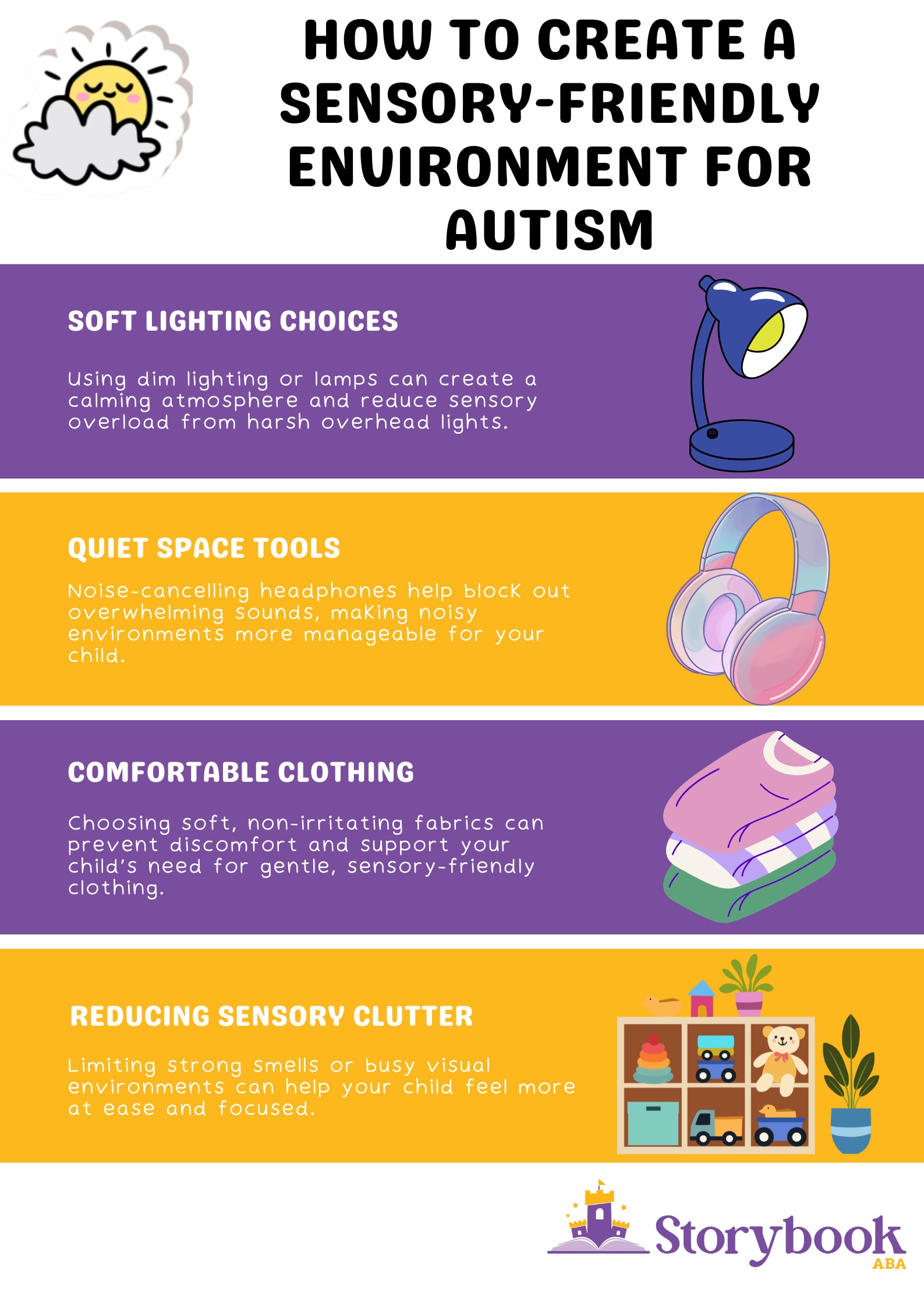
1. Create a Sensory-Friendly Environment
Creating a sensory-friendly environment at home can help minimize overwhelming stimuli. This might include:
2. Use Sensory Integration Techniques
Sensory integration therapy, often provided by an occupational therapist, can help children with autism develop coping strategies for managing their hypersensitivities. These therapies aim to improve the brain’s ability to process sensory information and respond to it appropriately.
3. Provide Predictable Routines and Transitions
Children with autism tend to thrive on routine. Having a predictable daily schedule can help reduce anxiety and prepare children for sensory experiences. Transitioning from one activity to another should be done gradually, allowing children to adjust to changes without feeling overwhelmed.
4. Offer Calming Strategies
Teaching children calming strategies can help them cope with sensory overload when it happens. Deep breathing, fidget tools, or quiet spaces where they can retreat may help them regulate their sensory experience and calm down during moments of distress.
Support Your Child’s Growth through ABA Therapy
At Storybook ABA, we understand that sensory sensitivities, including hypersensitivity in autism, can make daily life challenging. That’s why we offer ABA therapy programs in Maryland and Virginia to help children with autism develop the skills they need to manage sensory issues and other challenges.
Through ABA therapy, we create individualized treatment plans that focus on teaching children strategies for coping with sensory sensitivities. Our experienced team works closely with each child to develop practical solutions that can improve their quality of life and help them thrive in everyday environments.
If your child is struggling with hypersensitivity or other sensory challenges, contact us today to learn how our ABA therapy in Maryland and Virginia can help.