
Key Points:
- Tourette Syndrome and autism are distinct conditions, but they can co-occur in some individuals.
- While both involve neurodevelopmental differences, Tourette Syndrome is characterized by tics, while autism primarily affects communication and social interactions.
- Understanding the differences between the two can help in providing the right support and treatment strategies.
When it comes to neurodevelopmental disorders, the relationship between Tourette Syndrome and autism can often be misunderstood. Parents, teachers, and even medical professionals may sometimes confuse these two conditions, especially when they co-occur in the same individual.
Tourette Syndrome and autism share certain overlapping characteristics, such as difficulties in social situations. In fact, 21% of those with Tourette Syndrome are also diagnosed with autism. However, it’s important to remember that the two are separate disorders, each with its specific traits and causes.
Understanding whether Tourette Syndrome is a form of autism requires a closer look at both conditions and how they manifest. It is also important to explore how these conditions can overlap or exist together in one person, leading to a more nuanced approach to diagnosis and intervention.
Is Tourette Syndrome a Form of Autism?
No. While both are neurodevelopmental disorders, they have distinct characteristics and diagnostic criteria. Tourette Syndrome is primarily defined by the presence of involuntary tics, such as motor movements or vocalizations, while autism is primarily a social and communication disorder with repetitive behaviors.
Although they are not the same, these conditions can sometimes overlap. For example, a person with autism may also have tics, or someone with Tourette Syndrome might show signs of social communication difficulties. However, each condition has its own diagnostic criteria and is treated differently.
What Is Tourette Syndrome?
Tourette Syndrome is a neurological disorder that causes repetitive, involuntary movements and vocal tics. These tics often begin in childhood, typically between the ages of 5 and 10. They can be categorized as either vocal tics (sounds or words) or motor tics (movement).
- Motor Tics: These can include blinking, facial grimacing, head jerking, or shoulder shrugging. More complex motor tics might involve purposeful movements such as touching or twisting objects.
- Vocal Tics: These might include throat clearing, grunting, sniffing, or, in rare cases, swearing (known as coprolalia). Vocal tics may sound similar to habits like coughing or sneezing, but are involuntary and difficult to control.
Tics can range from mild to severe and tend to fluctuate in frequency. They are usually worsened by stress or anxiety but may improve with relaxation or focus. While many individuals with Tourette Syndrome can control their tics to some extent, the nature of the disorder makes them difficult to fully eliminate.
What Is Autism?
Autism, or Autism Spectrum Disorder (ASD), is a neurodevelopmental condition that affects how a person thinks, interacts, and experiences the world. People with autism may have difficulty with communication, social interactions, and understanding social cues. They also often display restricted and repetitive behaviors or interests.
Autism is characterized by a range of symptoms that can vary greatly between individuals. The severity of autism can vary, with some individuals requiring significant support in daily life, while others are more independent.
Some of the hallmark traits of autism include:
Social Challenges
Difficulty understanding social cues, such as body language or tone of voice. Limited social interactions or difficulty forming and maintaining friendships.
Communication Difficulties
Trouble with verbal and nonverbal communication (e.g., not using eye contact or gestures). Some individuals may be non-verbal or have difficulty with speech patterns.
Repetitive Behaviors
Repeating certain behaviors or interests, such as lining up objects or focusing on a single topic for extended periods. A need for routine and structure, with difficulty coping with changes.

4 Key Differences Between Tourette Syndrome and Autism
Although both conditions can involve behavioral challenges, they are distinct in their core symptoms and how they impact individuals. Tourette Syndrome is mainly characterized by involuntary movements and vocal tics, while autism affects communication, social interaction, and sensory processing. Recognizing the differences between the two can help in creating more tailored and supportive care for each child:
Core Symptoms
Tourette Syndrome is primarily marked by the presence of tics—repetitive, involuntary movements or sounds. The main challenge in Tourette Syndrome is the difficulty in controlling these tics, which can vary in severity.
Autism, on the other hand, is characterized by difficulties in communication and social interactions. People with autism often engage in repetitive behaviors and may have restricted interests, but these are not in the form of tics.
Social and Communication Impacts
Tourette Syndrome does not inherently affect communication or social interactions in the way that autism does. People with Tourette Syndrome may struggle with social acceptance due to the noticeable tics, but their ability to communicate verbally is typically intact.
Autism primarily affects social communication, meaning individuals may struggle to understand or engage in conversations, form friendships, or interpret social cues.
Etiology and Diagnosis
Tourette Syndrome is a neurological disorder that is thought to involve abnormalities in the brain regions that control movement. It is diagnosed based on the presence of tics that last for more than a year and begin before the age of 18.
Autism is a developmental disorder with a broader range of symptoms, including social communication issues, restricted interests, and repetitive behaviors. Autism is diagnosed based on observable behaviors and developmental history.
Overlap and Co-occurrence
In some cases, a person can have both Tourette Syndrome and autism. This is known as comorbidity. For instance, a child with autism may also display tics or other motor/vocal movements associated with Tourette Syndrome. While the presence of tics doesn’t make someone autistic, the coexistence of the two conditions can make the diagnosis more complex.
How Are These Conditions Treated Differently?
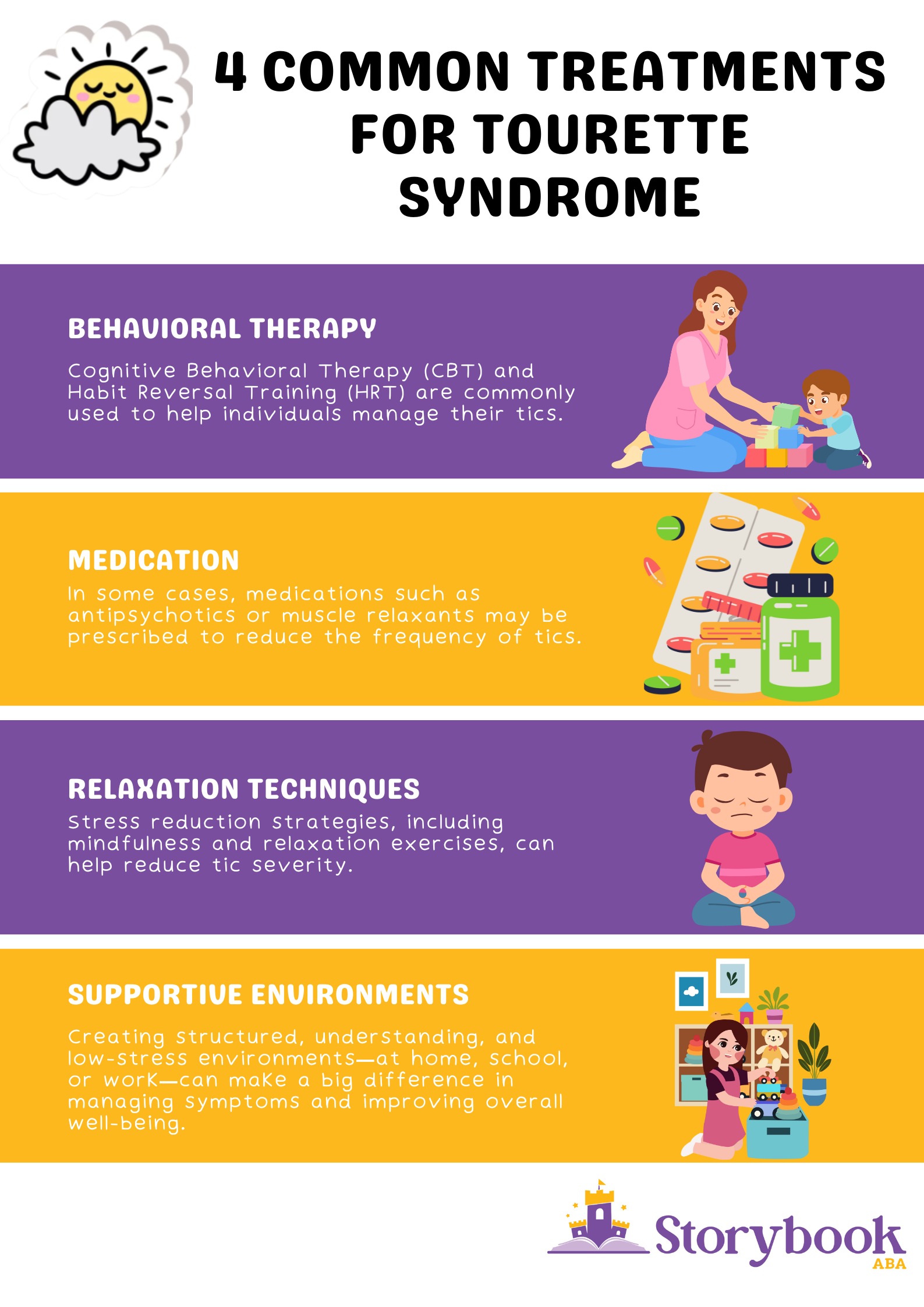
Treatment approaches for Tourette Syndrome and autism vary due to their different symptoms and underlying causes. Tourette Syndrome often involves behavioral therapy and, in some cases, medication to manage tics. For autism, early interventions typically focus on improving communication, social skills, and sensory integration through therapies like ABA or speech therapy.
Treatments for Tourette Syndrome include:
Treatments for autism include:
Applied Behavior Analysis (ABA) Therapy
ABA therapy is widely recognized as an effective treatment for individuals with autism. It focuses on improving communication, social skills, and behavior.
Speech and Occupational Therapy
These therapies help with communication difficulties and sensory sensitivities that are common in autism.
Social Skills Training
For those who struggle with social interactions, social skills training can teach the necessary skills to interact with peers and navigate social situations.
When Should You Seek Help for Your Child?
It’s important to seek professional help if you suspect that your child may have either Tourette Syndrome or autism, or both. Early diagnosis and intervention can lead to better outcomes and improved quality of life. Here are some signs that may indicate the need for professional help:
- Tourette Syndrome: If your child exhibits involuntary tics (either motor or vocal), it’s worth seeking a diagnosis from a neurologist or other healthcare provider.
- Autism: If your child has difficulty with communication, social interactions, or displays restrictive behaviors or interests, they may benefit from an evaluation for autism.
If you’re interested in understanding how sensory challenges impact those on the spectrum, be sure to check out our article, How Hypersensitivity in Autism Affects Daily Life & Coping Tips. It dives deeper into how sensory processing differences—often seen in both autism and related conditions—can influence behavior and daily functioning.
Give Your Child the Tools for Success with ABA Therapy
If you’re seeking support for a child with autism or Tourette Syndrome, Storybook ABA offers ABA therapy in Maryland and Virginia. Our team of professionals is trained to provide individualized therapy to address the unique challenges that both conditions can present. We focus on enhancing communication, social skills, and behavior to improve your child’s daily life.
ABA therapy is an evidence-based approach that can be particularly effective for individuals with autism and related symptoms. Contact us today to learn how we can help your child thrive!