

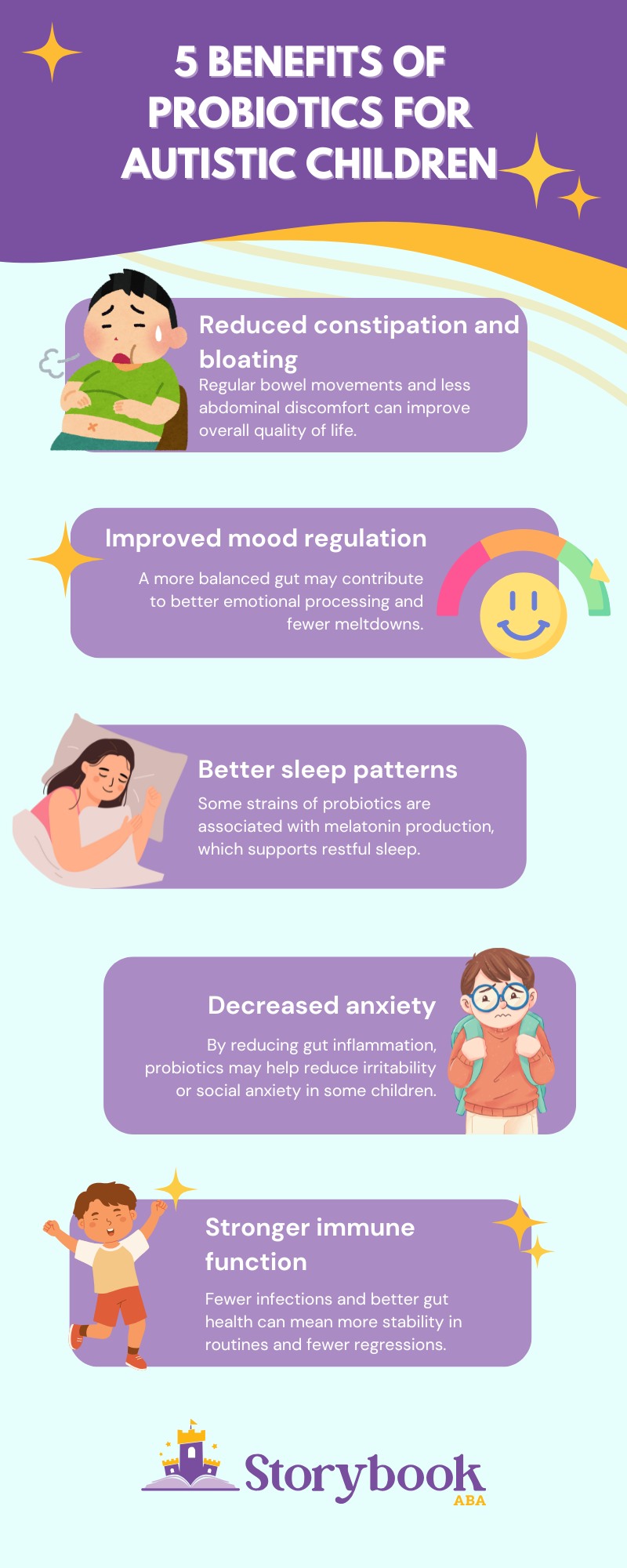
Not all children will experience the same benefits, and the type of probiotic used matters—different strains affect the body in different ways.
What Are Common Myths About Probiotics and Autism Recovery?
There’s a lot of misinformation online about probiotics and autism recovery, which can lead to confusion and unrealistic expectations. It’s important to distinguish between hopeful anecdotes and actual evidence when considering how probiotics might support a child’s well-being.
One common myth is that probiotics cure autism. In reality, autism is a lifelong neurodevelopmental condition, and while probiotics may help manage certain symptoms like digestive discomfort or mild behavior changes, they are not a cure.
Some also believe that if one probiotic doesn’t work, none will—this isn’t true either. It often takes trial and error, guided by a healthcare provider, to find the most effective strain and dosage. Understanding these myths helps parents make informed, balanced decisions for their child’s care.
Building on the idea that finding the right treatment often requires trial and error, our article “Melatonin and Its Impact on Sleep Quality in Autistic Adults” explores how melatonin can be a valuable tool for improving sleep. Just like probiotics, its effectiveness varies by individual, so understanding how melatonin works can help caregivers and adults with autism make better decisions about managing sleep challenges.
Which Probiotic Strains Are Commonly Studied for Autism?
There are hundreds of probiotic strains, but only a few have been studied in the context of autism. Choosing the right strain is crucial for seeing any benefit, and this should always be discussed with a pediatrician or integrative physician.
Probiotic strains that have shown potential in studies include:
1. Lactobacillus rhamnosus GG
This probiotic may help support immune balance and promote calm behavior. It’s often used to maintain gut health during times of physical or emotional stress.
2. Bifidobacterium longum
Known for its digestive support, this strain may help ease stomach discomfort and encourage a more balanced response to stress. It also plays a role in supporting gut comfort and regularity.
3. Lactobacillus plantarum
This strain may support healthy digestion and help calm the digestive tract. It’s often used to promote a balanced environment in the gut.
4. Bacillus subtilis
Recognized for its durability, this probiotic may help maintain a healthy balance of bacteria in the gut. It’s often chosen for its ability to thrive in various digestive conditions.
5. Saccharomyces boulardii
This beneficial yeast may help manage occasional diarrhea and support gut health during changes in routine or diet. It can assist in maintaining a more stable digestive environment.
Each strain serves a different purpose. Some are better suited for calming inflammation, while others may support digestion or neurotransmitter production.

What Are the Risks or Limitations of Probiotics in Autism?
While generally safe, probiotics are not risk-free or universally beneficial. Some children may experience side effects, especially if underlying health conditions exist. Parents should be cautious of products that claim to “reverse” or “cure” autism through probiotics, as these are scientifically unsupported and potentially misleading.
Possible risks and limitations include:
1. Digestive Upset
Some children may experience mild bloating, gas, or stomach discomfort when starting probiotics. These side effects are usually temporary and may subside as the digestive system adjusts to the new bacteria.
2. Allergic Reactions
Certain probiotic products contain allergens like dairy, soy, or gluten, which can trigger reactions in sensitive individuals. Reading ingredient labels and choosing allergen-free options can help avoid unwanted symptoms.
3. Lack of Regulation
Because probiotics are classified as dietary supplements, their quality and potency can vary widely. Without strict oversight, some products may not contain the strains or amounts listed on the label.
4. Not a Standalone Solution
Probiotics may support general well-being, but they aren’t a replacement for structured therapies like ABA. Relying on them alone could delay more comprehensive treatment approaches.
5. Other Contributing Factors
Changes in behavior or digestion may be influenced by a variety of factors, including new foods, routines, or therapies. It’s important to consider the full context when evaluating any improvements.
Always consult with a healthcare provider before starting probiotics, especially for children with complex health needs.
How Can Parents Make Informed Decisions About Probiotics?
Parents should approach probiotics the same way they would any other medical intervention—with careful research and professional guidance. While the potential for support exists, the key is integration with a broader developmental plan.
Steps parents can take include:
- Consult with a pediatrician or GI specialist.
- Request a stool analysis if GI issues are present.
- Choose clinically studied probiotic strains.
- Start with low doses and observe changes.
- Combine with nutritional and behavioral strategies.
- Keep a journal of symptoms, bowel habits, and mood shifts.
Integrating probiotics into a comprehensive support plan, rather than viewing them as a standalone fix, will lead to better outcomes.
Why ABA Therapy Should Remain a Core Intervention
While exploring gut health is valuable, foundational therapies like ABA (Applied Behavior Analysis) remain the most evidence-based approach for improving communication, adaptive skills, and behavior in autistic children.
Probiotics may help regulate mood or physical discomfort, but they don’t teach daily living skills, social behaviors, or communication strategies. ABA therapy provides structured support that promotes real-world progress in areas that matter most—like language, independence, and play.