
Key Points:
- ABA therapy for school readiness helps children develop communication, social, and independence skills needed for preschool and kindergarten success.
- Early intervention ABA therapy strengthens school readiness skills ABA programs focus on, helping children transition into school with less anxiety and more confidence.
- Aligned classroom behavior support ABA across home and school improves social skills ABA therapy outcomes and long-term classroom success.
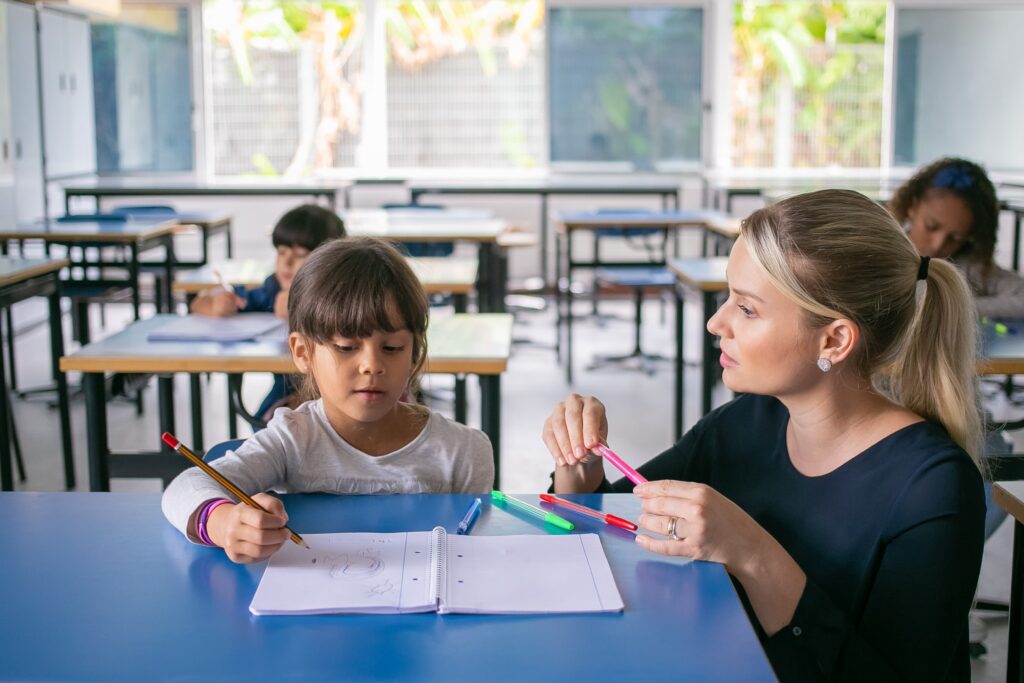
Starting school can be overwhelming for many children, but for children with autism, it can feel especially daunting.
School readiness isn’t just about academics, it’s about helping children feel safe, understood, and capable.
Research shows that early intervention ABA therapy today lays the foundation for confidence, learning, and success tomorrow.
Why School Can Feel Overwhelming for Children With Autism
Sensory Overload in the School Environment
Classrooms are filled with loud noises, bright fluorescent lighting, crowded hallways, and unfamiliar smells. For children with sensory sensitivities, these stimuli can feel physically painful or overwhelming, leading to anxiety or avoidance.
Social and Communication Challenges
Many children struggle with:
- Understanding social cues
- Making friends
- Interpreting language literally
- Experiencing bullying or misunderstandings
Without support, these challenges can quickly increase stress and fear around school.
Executive Functioning and Academic Pressure
Difficulties with organization, following schedules, prioritizing tasks, or coping with mistakes can cause children to feel frustrated or fearful of failure.
Separation Anxiety and Feeling Unsafe
Leaving familiar home routines can be extremely distressing. When combined with sensory and social stressors, school may feel unpredictable and unsafe.

Key ABA Strategies for School Readiness (With Practical Examples)
Visual Schedules & Supports
Strategy: Use visual schedules with pictures or icons to create predictability and reduce anxiety.
Example: A morning routine chart showing:
- Wake Up
- Eat Breakfast
- Get Dressed
- Pack Backpack
- Bus
As each step is completed, the child checks it off or moves the picture. Visuals are a cornerstone of ABA therapy skills for preschool and support independence and transition readiness.
Gradual Exposure & Routine Adjustment
Strategy: Gradually adjust daily routines to align with school schedules.
Example: If bedtime is 8:00 PM, move it to 7:55 PM for several nights, then 7:50 PM, continuing slowly over weeks. This approach reduces anxiety around change and supports early childhood ABA program goals.
Role-Playing & Social Stories
Strategy: Practice real-life school situations using role-play and simple stories that explain expectations.
Example:
- Role-play asking a teacher for help
- Use a social story about playground rules (e.g., “I wait my turn to go down the slide”)
These methods strengthen social skills ABA therapy and help children feel prepared for peer interactions.
Positive Reinforcement
Strategy: Use praise, stickers, or token systems to encourage desired school behaviors.
Example: When a child appropriately asks for a break, provide praise like, “Great job using your words!” and give a sticker or token. Positive reinforcement is a key component of classroom behavior support for ABA.
Task Analysis & Chaining
Strategy: Break complex tasks into small, manageable steps and teach them sequentially.
Example: For “getting ready to leave”:
- Put on one shoe
- Put on the other shoe
- Place shoes by the door
- Put on backpack
This method supports independence and is widely used in ABA therapy skills for preschool and kindergarten readiness.
Functional Communication Training (FCT)
Strategy: Teach appropriate alternatives to challenging behaviors by building communication skills.
Example: Instead of yelling when overwhelmed, a child learns to:
- Say “I need a break”
- Use a picture card
- Tap a “help” icon
These functional communication goals ABA reduce frustration and improve classroom success.
Environmental Supports for Sensory Needs
Strategy: Adapt the child’s environment to support sensory regulation.
Example:
- Noise-canceling headphones during loud activities
- A weighted lap pad during seated work
Environmental supports are essential for ABA therapy for school readiness and help children remain calm and focused.

Supporting Success Across Home and School
When families work closely with therapists and educators, ABA strategies remain consistent across settings. This collaboration strengthens school readiness skills ABA programs focus on and helps children carry learned skills into real classroom environments.
With structured support, positive reinforcement, and individualized planning, early intervention ABA therapy empowers children to transition into school with confidence, independence, and the skills they need to thrive.
Preparing for Kindergarten With ABA Therapy
Preparing for kindergarten with ABA involves structured practice of real-life school situations so children feel familiar and safe when they start.
Practical ABA Strategies for School Readiness
- Visual schedules: to increase predictability
- Social stories: explaining classroom routines
- Role-playing: common school interactions
- Gradual exposure: to school-like schedules
- Positive reinforcement: for desired behaviors
Consistency across home, therapy, and school environments ensures skills generalize and last.
How ABA Therapy Supports Success in the Classroom
ABA therapy doesn’t just prepare children, it supports them once they are in school by:
- Creating individualized behavior plans
- Modifying classroom environments
- Teaching emotional self-regulation
- Encouraging positive peer interactions
These strategies benefit not only the child but also teachers and classmates, creating a more inclusive learning environment.
School-Based Support and Collaboration
Successful school readiness requires teamwork. ABA therapists work closely with parents and educators to ensure:
- Visual supports are used consistently
- Accommodations align with sensory needs
- Communication strategies are reinforced
- Individualized goals are supported through IEPs
Families seeking ABA therapy Maryland and ABA therapy Virginia can access comprehensive, personalized programs designed to support school readiness from preschool through kindergarten and beyond at Storybook ABA.
Through individualized planning, compassionate support, and evidence-based strategies, ABA therapy helps children transform small steps into lifelong learning skills.
FAQ’s
1. What is ABA therapy for school readiness?
ABA therapy for school readiness helps children develop communication, social, behavior, and independence skills needed to succeed in preschool and kindergarten.
2. How does early intervention ABA therapy help with school success?
Early intervention ABA therapy builds foundational skills early, reducing anxiety and helping children transition into school with confidence.
3. What school readiness skills does ABA focus on?
School readiness skills ABA programs target following routines, communication, social interaction, emotional regulation, and independence.
4. How does ABA support behavior in the classroom?
Classroom behavior support uses routines, visuals, and positive reinforcement to reduce challenging behaviors and improve focus.
5. Can ABA therapy help prepare my child for kindergarten?
Yes, preparing for kindergarten with ABA includes practicing routines, social skills, transitions, and communication to support a smooth start to school.