Sensory Stimming: Why Individuals with Autism Rub Their Hands Together
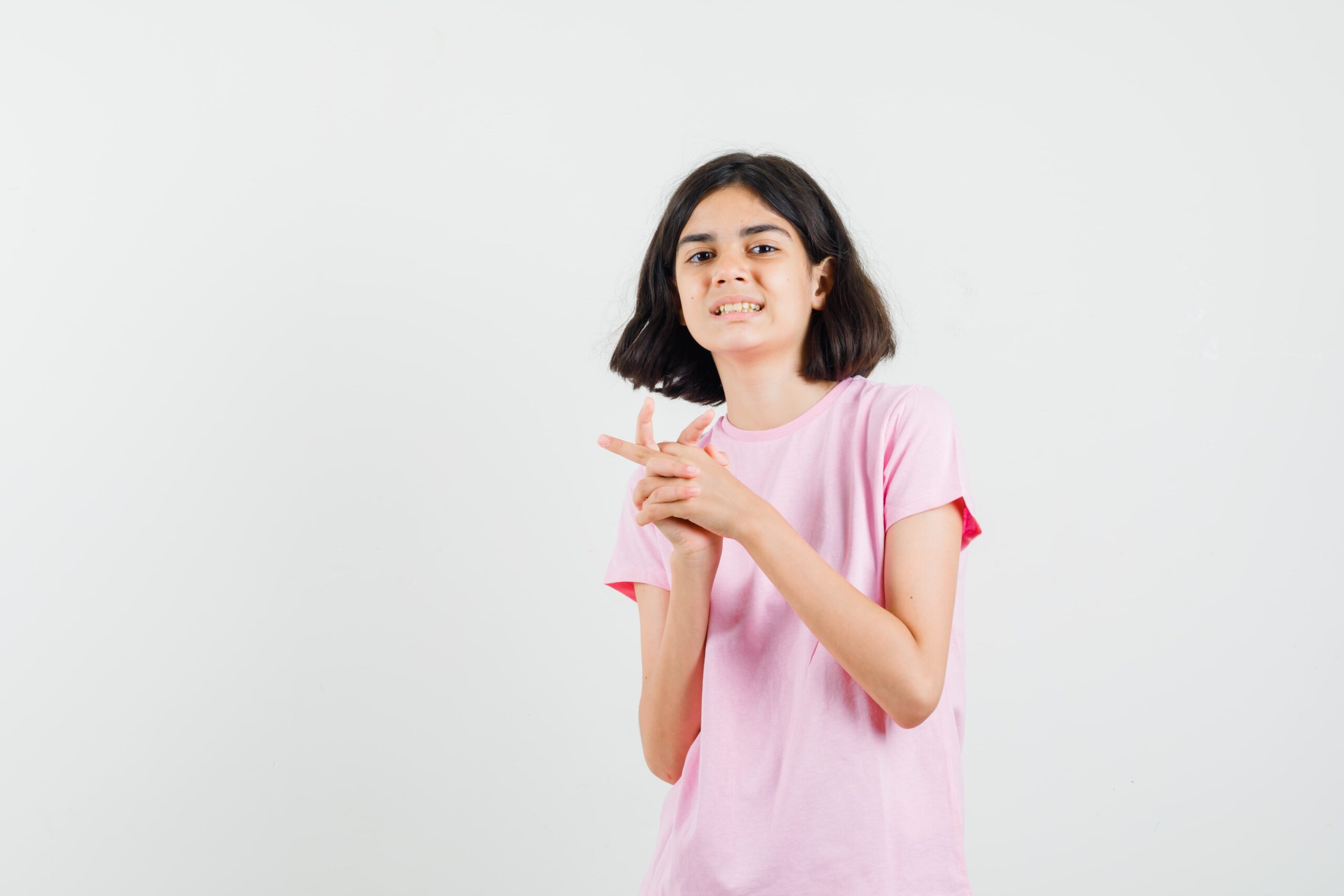
Key Points: Hand rubbing is often a form of stimming (self-stimulatory behavior) used to regulate sensory input, reduce anxiety, or manage emotional s...

Key Points: Hand rubbing is often a form of stimming (self-stimulatory behavior) used to regulate sensory input, reduce anxiety, or manage emotional s...
Key Points: Many children with autism experience sensitivity to light (photophobia), which can affect comfort, focus, and behavior. Light sensitivity ...
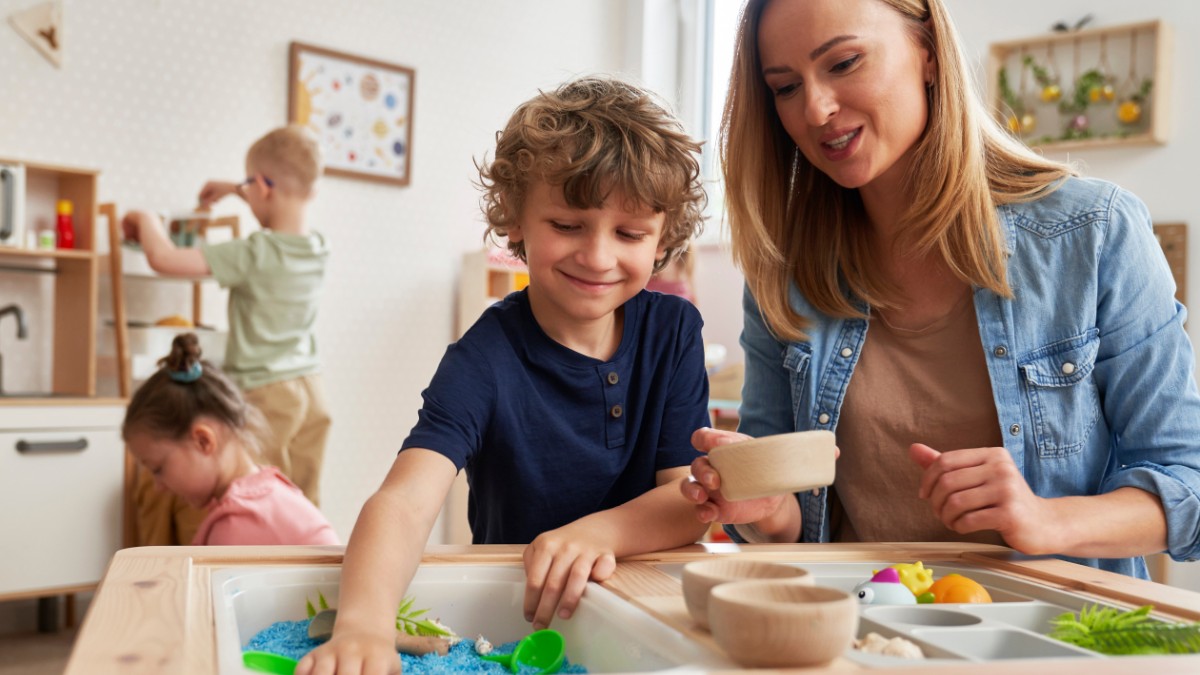
Sensory bin ideas and activities for autism that are engaging and effective. Learn how to create sensory bins with everyday materials and ideas for ch...
Learn the differences between sensory processing disorder (SPD) and autism. Discover how SPD and autism are linked and how to identify each condition....
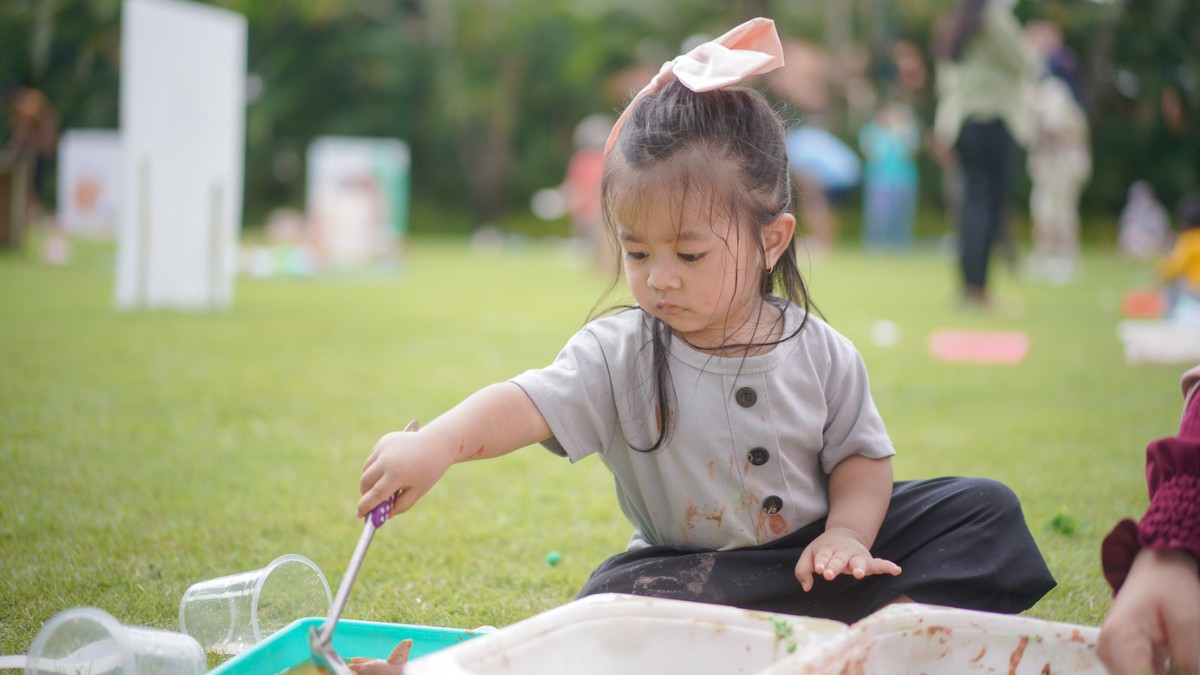
Discover sensory-friendly outdoor activities like nature walks, gardening, and water play. Perfect for children with autism to explore, learn, and hav...
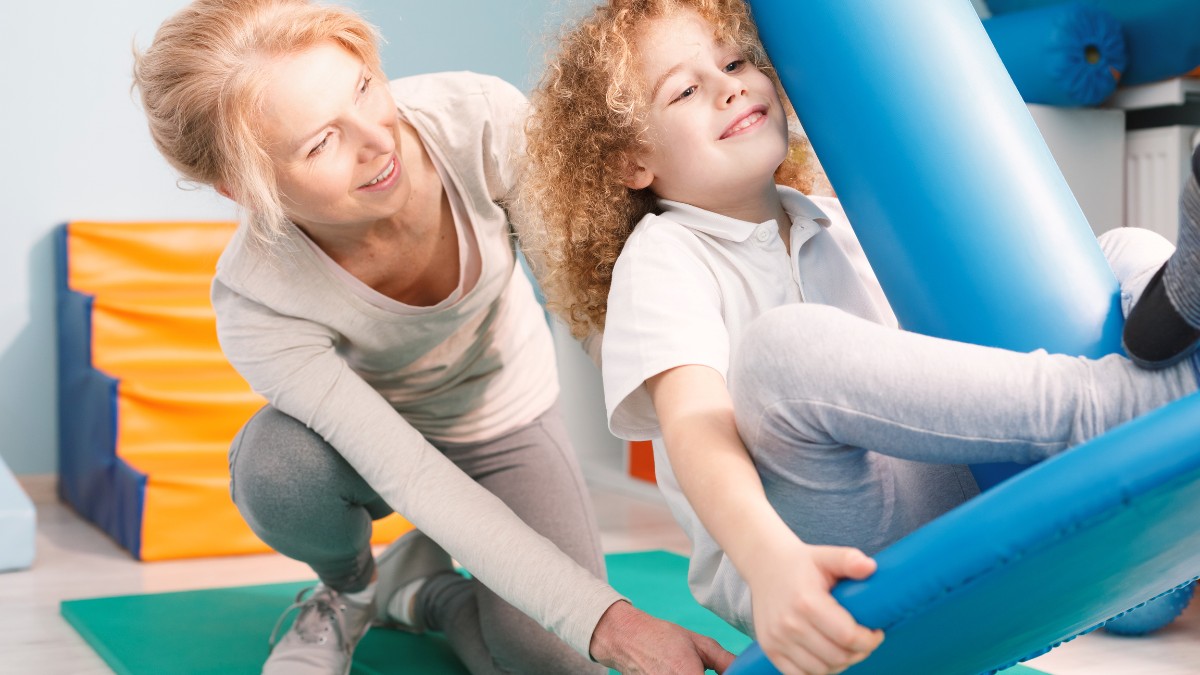
Vestibular dysfunction in autism affects balance, motor control, and sensory processing. Learn about vestibular stimming and sensory challenges....
Tactile sensitivity, also known as tactile defensiveness, occurs when the nervous system overreacts to light touch sensations, causing discomfort or a...