

Key Points:
- Understanding the differences between clinic-based and home-based ABA therapy is essential for making an informed choice.
- Both settings have unique benefits and potential drawbacks depending on a child’s individual needs and family circumstances.
- Collaborating with ABA therapy providers like Storybook ABA in Virginia can help families select the best environment for their child’s progress.
When a child is diagnosed with autism spectrum disorder (ASD), families often face important decisions about the best kind of support. One major consideration is choosing between clinic-based and home-based ABA therapy. ABA therapy providers in Virginia, including us at Storybook ABA, work closely with families to understand their unique needs and preferences, guiding them through this choice with care.
ABA therapy—Applied Behavior Analysis—is a widely recognized, evidence-based approach that helps children develop essential skills and reduce behaviors that interfere with daily life. Whether delivered in a clinical setting or at home, ABA therapy focuses on creating personalized programs to support each child’s growth.
Let’s explore what differentiates clinic-based and home-based ABA therapy in Virginia, so families can feel confident about the path ahead.
Clinic-Based ABA Therapy: Structured Environment and Professional Resources
Clinic-based ABA therapy usually takes place at a dedicated facility designed specifically for therapy. This option offers a more controlled, structured setting that can be highly beneficial for certain children.
Before we get into the details, here’s why some families lean toward clinic-based therapy: the setting provides access to a wide range of specialized resources, including trained therapists, structured social interaction opportunities, and consistent routines.
Here are some important features of clinic-based ABA therapy:
- Access to Specialized Equipment and Materials
Clinics are often equipped with a variety of teaching tools, sensory items, and technology that can enhance learning. This can be especially helpful for children who benefit from visual aids or interactive equipment.
- Social Interaction Opportunities
Clinics may offer group sessions or opportunities for children to engage with peers under professional supervision. This can promote social skills in a safe and guided environment.
- Highly Structured Sessions
The clinic environment allows therapists to maintain a highly consistent routine. This structure can help children who thrive on predictability and clear boundaries.
- Professional Supervision and Collaboration
Clinic settings facilitate easy collaboration between therapists, behavior analysts, and other specialists. This team approach often leads to quicker adjustments in therapy plans.
- Transportation and Scheduling Considerations
Families need to manage travel to the clinic, which might be challenging depending on distance, work schedules, and the child’s comfort with leaving home.
While clinics offer many advantages, some children may find the environment overwhelming or less comfortable than familiar home surroundings.
Home-Based ABA Therapy: Comfort and Real-Life Context
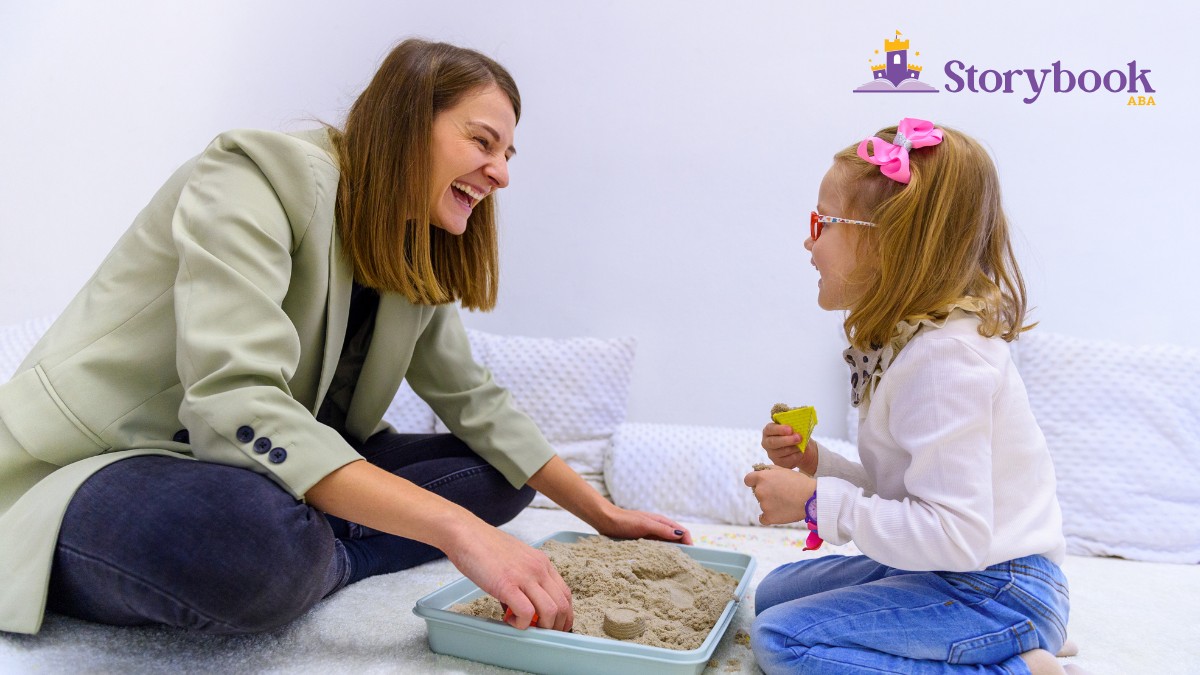
Home-based ABA therapy brings treatment into the child’s natural environment. For many families, this setting offers distinct benefits because therapy happens where daily life unfolds.
Choosing home-based ABA therapy often appeals to families who want their child to generalize skills directly in their own environment. This option can reduce stress related to traveling and unfamiliar settings.
Here’s what to consider about home-based ABA therapy:
- Familiar Environment
Children tend to feel more relaxed and secure at home. This can increase engagement and reduce anxiety during sessions.
- Real-Life Skill Application
Therapists can target behaviors and skills in the exact context where they naturally occur—like mealtime routines, getting dressed, or interacting with siblings. This direct application often leads to better generalization.
- Flexibility for Families
Scheduling sessions at home can be more convenient, especially for families juggling multiple appointments or transportation challenges.
- Parent and Caregiver Involvement
Home-based therapy usually encourages active participation from parents and caregivers, teaching them strategies to support progress between sessions.
- Potential Distractions
Home environments might present distractions that are harder to control than in clinics, such as pets, siblings, or household noises. Therapists work to manage these, but some children may find it challenging.
- Limited Peer Interaction
Unless arranged specifically, home-based therapy may offer fewer opportunities for structured socialization with peers compared to clinic programs.
How to Decide: Key Factors to Consider
Deciding between clinic-based and home-based ABA therapy isn’t one-size-fits-all. It depends on your child’s personality, needs, and family lifestyle. Here’s a detailed checklist to help guide your decision:
- Child’s Comfort Level: Is your child more at ease in structured, clinical environments or in familiar home settings?
- Therapy Goals: Are socialization and interaction with peers a priority right now? Or is the focus more on daily living skills within the home?
- Family Schedule and Logistics: Can you easily travel to a clinic multiple times a week, or is home therapy more manageable?
- Access to Resources: Does your preferred provider offer specialized programs or equipment only available at the clinic?
- Parental Involvement: Are you able and willing to participate actively in therapy sessions?
- Behavioral Needs: Does your child require a highly controlled environment to reduce distractions and maximize learning?
- Insurance and Funding: What does your insurance cover, and are there cost differences between settings?
Discussing these factors with your ABA therapy team, including providers like Storybook ABA in Virginia, will help tailor the choice to what works best for your family.
Blending Both Approaches: Hybrid Models
Sometimes, families find a combination of clinic and home-based therapy offers the best of both worlds. Hybrid models may include initial intensive work in a clinic to establish skills, followed by home visits to help generalize those skills.
This approach allows for flexibility and can adapt as your child grows and their needs change.
Why Early and Consistent ABA Therapy Matters
Regardless of the setting, timely and consistent ABA therapy plays a crucial role in helping children with autism build communication, social, and daily living skills. Early intervention, usually before age 5, often results in better long-term outcomes.
Providers like us at Storybook ABA work to create personalized treatment plans grounded in research, delivered either at home or in a clinical setting in Virginia. Our goal is to support children and families every step of the way.
Choosing Storybook ABA for Your ABA Therapy in Virginia
At Storybook ABA, we understand that no two families are alike. We offer both clinic and home-based ABA therapy in Virginia, ensuring flexibility to meet your child’s unique needs. Our team is committed to providing compassionate, individualized care that fits your schedule and comfort level.
Whether your child thrives in a clinic’s structured environment or at home surrounded by familiar faces and routines, we work closely with you to design a program that promotes progress and confidence.
If you’re exploring ABA therapy options in Virginia and wondering which setting is right for your child, reach out today. We’re here to help you navigate this important decision and provide the support your family deserves.
Get in touch today for ABA therapy in Virginia and let’s start this journey together.