

Key Points:
- The eating habits of autistic adults often include selective eating and sensory sensitivities affecting food choices and routines.
- Many autistic adults face challenges such as food rigidity, texture aversions, and difficulties with mealtime social interactions.
- Understanding these eating behaviors can guide supportive strategies that respect sensory needs while promoting nutritional health.
Autistic adults often experience unique eating habits and behaviors influenced by sensory sensitivities and a preference for routine. Research shows that approximately 70% of autistic children report sensory-related challenges with food, which can lead to selective eating and restricted diets that carry over into adulthood.
In this article, we’ll explore common eating behaviors in autistic adults, how sensory sensitivities and routines shape these habits, and the challenges around social eating. We’ll also discuss nutritional concerns and practical strategies to support healthier, more comfortable eating experiences.
What Are the Common Eating Habits of Autistic Adults?
Eating habits of autistic adults are frequently characterized by selective food choices, sensory-driven preferences, and a reliance on strict routines to manage mealtime predictability and reduce anxiety.
These habits arise from neurological differences that affect taste perception, smell sensitivity, and texture tolerance. For example, crunchy or smooth textures might be more acceptable, while mixed textures or unfamiliar smells may be distressing.
Such preferences can lead to limited diets, which, over time, may impact nutritional balance. Additionally, many autistic adults rely on routines during meals to create a sense of safety and control. Understanding these behaviors helps caregivers, family members, and healthcare providers approach mealtimes with patience and practical strategies rather than frustration.

How Does Sensory Sensitivity Impact Eating Behaviours in Autistic Adults?
Sensory sensitivities significantly shape the eating behaviors seen in autistic adults. The senses—taste, smell, texture, and even the visual appearance of food—can trigger either comfort or discomfort. Many autistic individuals are hypersensitive to certain stimuli, which can make some foods intolerable.
This heightened sensitivity influences both food acceptance and rejection. For example, the smell of cooked vegetables might be overwhelming, or the slimy texture of certain fruits might trigger a strong aversion. These sensory reactions are real and deeply felt, often leading to the avoidance of nutritious foods.
Sensory processing also affects the environment in which eating occurs. Bright lights, loud noises, or crowded dining spaces can increase stress, further complicating the eating experience.
What Are Common Nutritional Concerns Linked to Eating Behaviours in Autistic Adults?
Because eating habits in autistic adults may involve restrictive diets and selective food preferences, nutritional gaps can emerge. Limited variety increases the risk of deficiencies in essential vitamins and minerals.
Common nutritional concerns include:
1. Low Fiber Intake
Avoidance of fruits and vegetables due to sensory sensitivities often leads to low fiber intake, which can cause digestive issues such as constipation and impact overall gut health in autistic adults.
2. Insufficient Protein Consumption
Texture or taste aversions to meats and other protein sources may result in inadequate protein intake, affecting muscle maintenance, immune response, and energy levels critical for daily functioning.
3. Vitamin Deficiencies
Selective eating patterns can cause deficiencies in essential vitamins like B12, D, and iron, which are vital for brain health, bone strength, and oxygen transport, increasing risks of fatigue and cognitive difficulties.
4. Risk of Dehydration
Dislike of water’s texture or taste may reduce fluid intake, raising the risk of dehydration. Proper hydration is essential for bodily functions, concentration, and overall physical and mental health.
5. Need for Professional Monitoring
Nutritional gaps require regular assessment and intervention by healthcare professionals to ensure balanced diets, address deficiencies, and support the unique dietary needs of autistic adults for optimal health outcomes.
These concerns highlight the need for monitoring and, when necessary, professional nutritional guidance to support overall health.
What Challenges Do Autistic Adults Face Around Mealtime Social Interactions?
Mealtimes are often social events, but for autistic adults, they can also be sources of stress. Social anxiety, difficulties interpreting social cues, and sensory distractions in social settings can affect eating behaviors.
Some autistic adults might avoid eating in groups or struggle with conversation while eating, leading to isolation or discomfort. Others may be self-conscious about their food choices or how they eat. These challenges can reduce the opportunity for shared meals, which are often important for social bonding and nutrition—experiences closely tied to heightened awareness and sensitivity. To explore this further, check out our article Understanding the Connection Between Hypervigilance and Autism.
How Can Supportive Strategies Help Improve Eating Habits?
Supporting autistic adults with their eating habits involves respecting sensory preferences while gradually encouraging variety and nutritional balance. Strategies should be individualized and introduced gently to avoid increasing anxiety.
Key supportive techniques include:
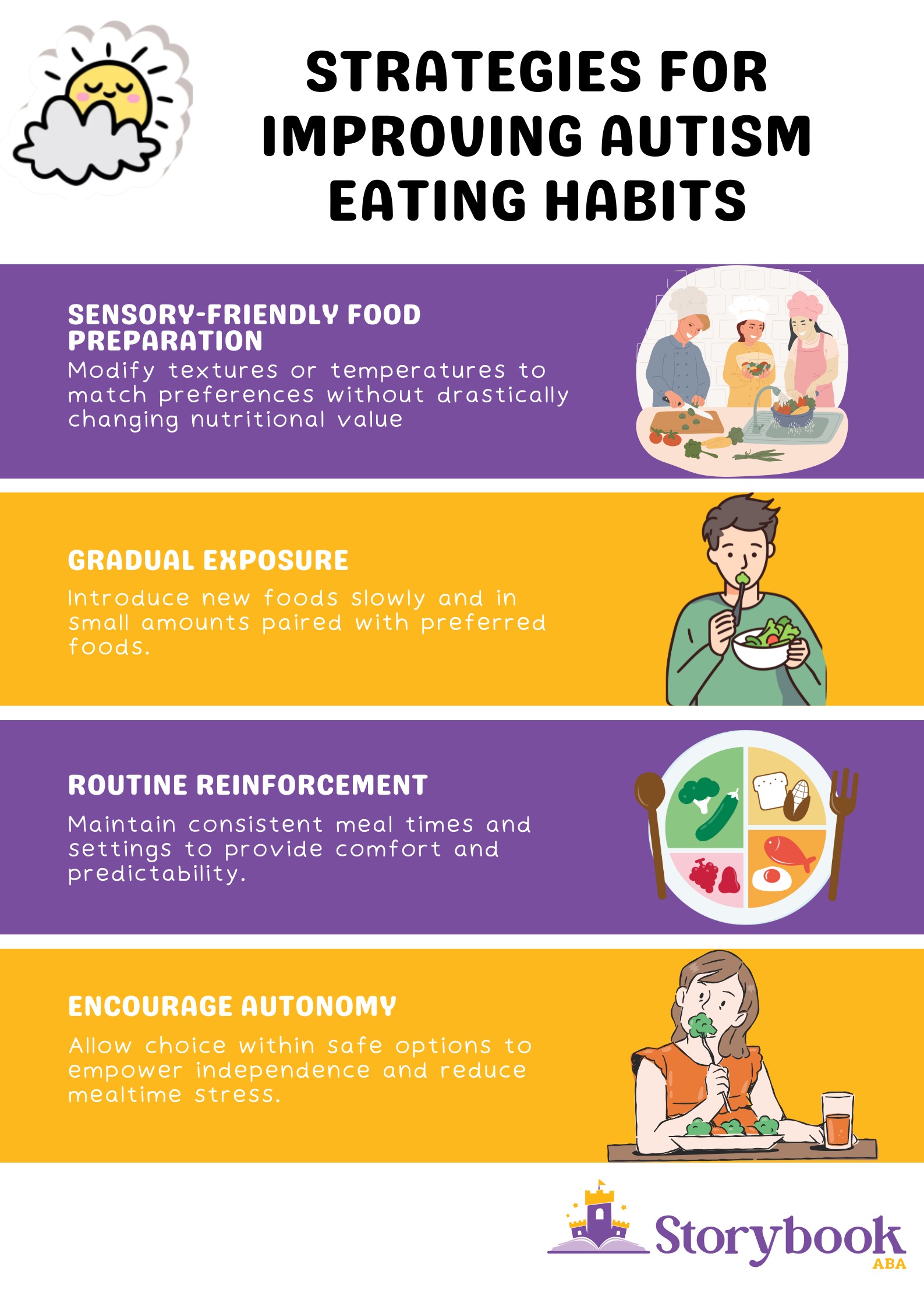
What Role Do Routine and Structure Play in the Eating Habits of Autistic Adults?
Routines and structure are crucial for many autistic adults in managing mealtime behaviors. Predictability reduces anxiety and makes the sensory demands of eating more manageable. Having the same foods at the same times, following a consistent eating schedule, and preparing meals in a familiar way contribute to this stability.
Changes in routine, such as trying a new restaurant or introducing unfamiliar foods, can provoke distress or refusal to eat. For many autistic adults, this rigidity isn’t simply stubbornness but a coping mechanism to maintain control in an often overwhelming world.
How Can Professionals Support Eating Behaviours in Autistic Adults?
Healthcare and therapy professionals can provide targeted interventions to address eating challenges. Behavioral therapy, occupational therapy, and nutritional counseling often work together to create comprehensive support plans.
Behavioral interventions may focus on reducing food selectivity through positive reinforcement and skill-building. Occupational therapists can help with sensory integration techniques to reduce food aversions. Nutritionists ensure dietary needs are met despite restrictions.
What is the Connection Between the Eating Habits of Autistic Adults and Mental Health?
Eating habits and mental health are closely intertwined in autistic adults, with each influencing the other in significant ways. Challenges like anxiety, depression, and sensory overload can make eating difficult, often leading to restrictive diets or food refusal.
Conversely, poor nutrition resulting from selective eating can negatively affect mood, cognition, and overall mental well-being. Understanding this complex, two-way relationship is crucial for developing effective support strategies that improve both nutritional health and emotional wellness.
Here’s how mental health can affect the eating habits of autistic individuals:
Anxiety and Restrictive Eating
Anxiety can heighten sensory sensitivities and fear of new foods, leading to increased food selectivity and avoidance. This cycle can worsen nutritional intake and contribute to heightened stress during mealtimes.
Depression’s Impact on Appetite
Depression may reduce appetite or motivation to eat, causing irregular eating patterns and further limiting food variety. This can exacerbate nutritional deficiencies and negatively affect energy and mood stability.
Sensory Overload and Food Refusal
Sensory overload from environments or food textures can trigger food refusal or mealtime distress. This avoidance can limit nutritional options and increase feelings of isolation or frustration around eating.
Get Tailored Support with ABA Therapy
If you are seeking professional support to address the eating habits of autistic adults, Storybook ABA offers specialized ABA therapy in Maryland and Virginia. Our experienced therapists use evidence-based approaches tailored to the unique sensory and behavioral needs of autistic individuals.
ABA therapy can help reduce food selectivity, increase flexibility with food choices, and improve mealtime routines in a compassionate, supportive environment. By focusing on practical skills and gradual exposure, Storybook ABA empowers autistic adults to develop healthier eating patterns that enhance their independence and quality of life.
Get in touch with us to learn how our team can partner with you in supporting eating habits and overall well-being.