

Key Points:
- Epilepsy and autism life expectancy are complex topics, as children with both conditions can face unique challenges, but they often live long and fulfilling lives with the right care.
- Co-occurring epilepsy in children with autism is common, and its impact on life expectancy varies.
- Early intervention, tailored treatments, and comprehensive care can significantly improve outcomes for children with both epilepsy and autism.
According to studies, the prevalence of an epilepsy diagnosis for autistic children is approximately 26 percent. Epilepsy and autism are both neurological conditions that can significantly affect a person’s life. When they occur together, they can lead to a range of challenges, from communication difficulties to physical health concerns.
Parents of children with both epilepsy and autism may understandably be concerned about their child’s future, especially when it comes to their life expectancy. This article will provide an in-depth look at the potential impact of epilepsy on autism life expectancy and how managing both conditions can help improve the overall well-being of children.
Is Epilepsy a Major Factor in Reducing Autism Life Expectancy?
There is no clear-cut answer to whether epilepsy significantly reduces autism life expectancy. However, while having epilepsy can add to the challenges that children with autism face, the presence of epilepsy does not necessarily mean that life expectancy is drastically shortened.
In fact, many individuals with both conditions live well into adulthood, especially with the right treatment and support. The key is managing both conditions effectively—keeping seizures under control and providing support for the behavioral and developmental needs associated with autism.
While epilepsy and autism life expectancy can be influenced by factors like the severity of both conditions, the presence of additional health complications, and the quality of care a child receives, it’s important to emphasize that children with autism and epilepsy can thrive with the proper interventions.
3 Risks Associated with Epilepsy and Autism
Sometimes, children with autism can also experience epilepsy. When both are present, it can bring a few extra challenges, but you’re not alone, and there are ways to manage them with the right support.
Knowing what to watch out for can help you take action early and support your child in the best way possible. Here are a few things to keep in mind:
Developmental Delays
Seizures can sometimes cause temporary cognitive impairments, and the combination of seizures and autism can exacerbate developmental delays.
Increased Seizure Frequency
Some children with autism may experience more frequent or severe seizures than those with epilepsy alone, particularly if they also have co-occurring conditions like sleep disorders.
Physical Injury
Seizures pose a risk for physical injury, particularly if they occur during a fall or without warning. Children with autism may have a harder time recognizing or avoiding these dangers, leading to increased risk.
However, it’s crucial to note that early diagnosis and appropriate treatment can minimize these risks. Regular monitoring of both conditions and effective care plans can help children live healthier and longer lives.
If you’re interested in how other neurological conditions intersect with autism, be sure to read Exploring the Connection Between Hypertonia and Autism. It offers valuable insight into how muscle tone issues can influence development and daily life for individuals on the spectrum.
How Does Epilepsy Affect Children with Autism?
Epilepsy can complicate the experience of autism in several ways. Understanding how epilepsy and autism interact is important for tailoring interventions and improving life outcomes. The effect of epilepsy on autism can be quite varied depending on the individual child’s circumstances, but here are some common issues:
1. Impact on Communication and Behavior
Children with autism may struggle with communication and social interactions due to their condition, and the added complexity of seizures can further impede these skills. Seizures can disrupt a child’s daily routine and make it harder for them to engage in therapeutic interventions or develop social skills.
2. Difficulty with Sensory Processing
Epilepsy can sometimes worsen sensory sensitivities in children with autism. Sensory processing issues are common in children on the spectrum, and seizures can further exacerbate these sensitivities, making it difficult for children to cope with stimuli like light, sound, or touch.
3. Impact on Learning and Cognitive Function
Seizures, particularly those that are not well-controlled, can interfere with learning and cognition. This is particularly challenging for children who already have developmental delays due to autism. In some cases, frequent seizures can lead to worsening intellectual and academic outcomes.
Epilepsy Symptoms in Children with Autism
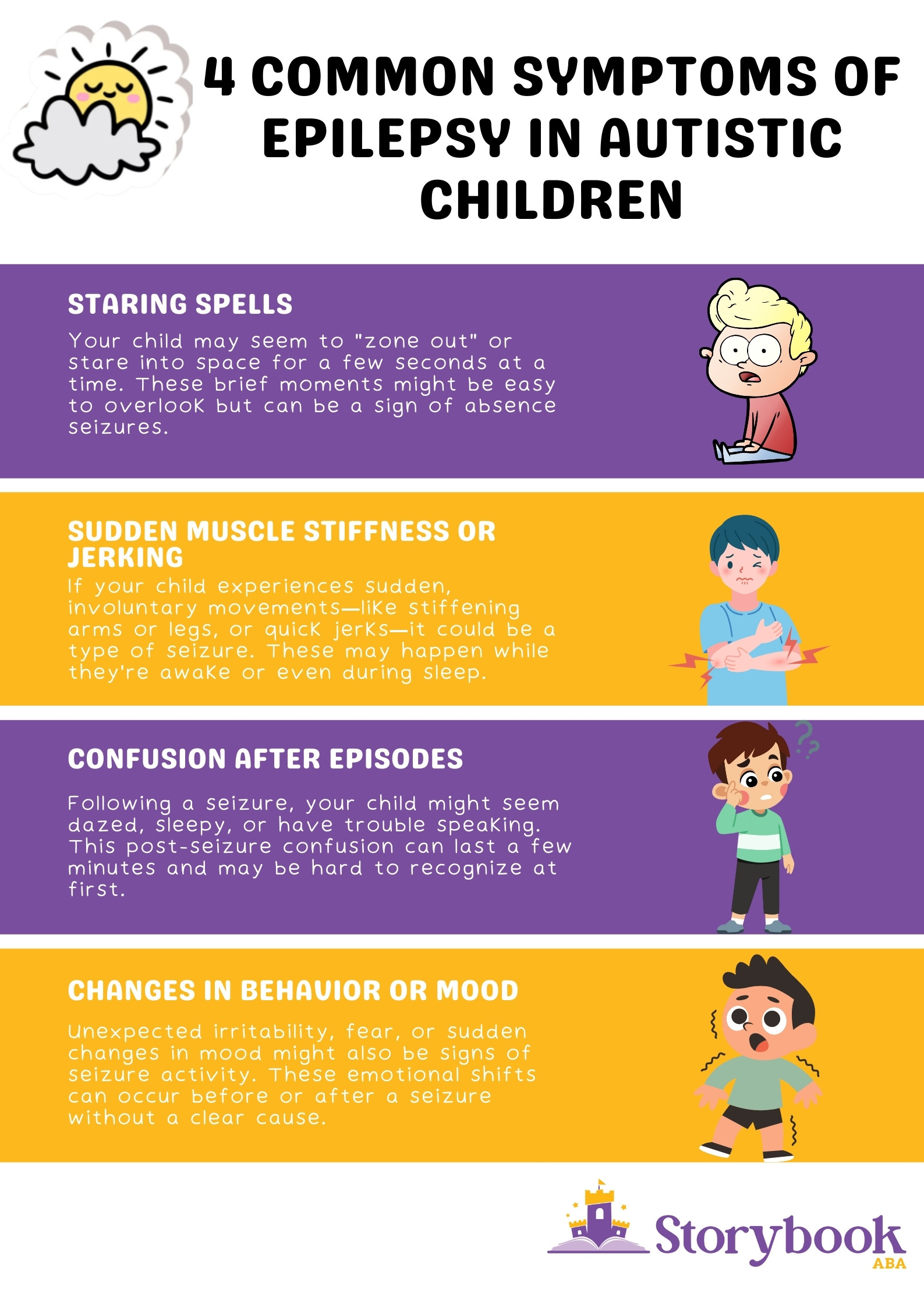
As a parent, you know your child best, which means you’re often the first to notice when something feels different. For children with autism, it’s important to be aware of the signs of epilepsy, especially since the symptoms can sometimes be subtle or look a bit different from what you might expect.
Understanding what to watch for can help you feel more confident in knowing when to reach out for support. Below are some common symptoms:
How Can Parents Manage Both Epilepsy and Autism Effectively?
There are several strategies that parents can implement to support a child with both epilepsy and autism. The right treatment plan will depend on the severity of the conditions, but these general tips can help manage both issues:
1. Work with a Multidisciplinary Team
Managing epilepsy and autism often requires a team approach. This may include pediatricians, neurologists, behavior therapists, speech therapists, and other specialists who can address both conditions in an integrated way.
This team can help develop a comprehensive treatment plan that includes medical interventions for seizures and behavioral strategies to address autism symptoms.
2. Follow a Consistent Routine
Both children with autism and those with epilepsy often thrive on consistency. Having a predictable daily schedule can help reduce anxiety and prevent situations that may trigger seizures.
Consistency in medication, sleep routines, and therapy sessions can also help children feel more secure and reduce the likelihood of seizure episodes.
3. Medication Management
Epilepsy is typically managed with anti-seizure medications, and the type of medication used will depend on the child’s age, type of seizures, and overall health.
For children with autism, behavioral symptoms can also be managed with therapy or sometimes medications to address mood issues, anxiety, or hyperactivity. Working with a doctor to find the right medication regimen is essential for managing both conditions.
4. Therapies to Support Development
Children with autism often benefit from therapies like Applied Behavior Analysis (ABA) to improve communication, social interaction skills, and daily functioning. Incorporating ABA therapy into a comprehensive treatment plan can help children improve their social and behavioral skills while simultaneously managing epilepsy.
For families navigating both epilepsy and autism, understanding all possible health challenges is crucial. One often-overlooked issue is sleep disturbances, which can significantly impact quality of life. Our article, “Night Terrors in Autism: Causes, Symptoms, and Solutions,” explores how these episodes differ from seizures, what triggers them, and how to manage them effectively—an important resource for anyone concerned about the long-term well-being of a loved one with autism and epilepsy.
Get the Support You Need with ABA Therapy
At Storybook ABA, we offer ABA therapy in Maryland and Virginia to help children with autism manage their behaviors and improve their quality of life. If your child is facing challenges with epilepsy and autism, our team of skilled behavior therapists can work with you to create a tailored plan to meet their unique needs.
ABA therapy focuses on teaching new skills, reducing challenging behaviors, and supporting children in their development. With ABA therapy in Maryland and Virginia, we are committed to helping children with autism lead fulfilling lives while managing their epilepsy and other challenges.
Contact us today to learn more about how we can support your child!