

Key Points:
- Fidget toys for autistic adults support self-regulation, sensory input needs, and stress management.
- Different types of fidget tools serve various sensory profiles—from tactile seekers to those needing proprioceptive feedback.
- Thoughtfully selected fidget toys can improve focus, reduce anxiety, and enhance daily functioning in adults on the autism spectrum.
While fidget toys are often associated with children, they are increasingly recognized as essential tools for autistic adults. These aids aren’t about idle play—they serve specific purposes: grounding sensory experiences, offering comfort during overstimulation, and supporting daily functioning.
According to research, up to 95% of autistic adults report ongoing sensory processing differences that impact their quality of life. With that in mind, using fidget toys for autistic adults can significantly enhance their ability to manage sensory needs, reduce anxiety, and stay engaged in work or social settings.
In this article, we’ll go over the most effective fidget toys for different needs and explain how to choose the right one for your loved one.
What Are the Best Fidget Toys for Autistic Adults?
The best fidget toys for autistic adults are those that align with individual sensory preferences and provide calming input or tactile engagement without becoming distracting. These may include stress balls, chewable jewelry, weighted items, and textured gadgets that promote self-soothing and help manage sensory overload.
Fidget tools are not just for children—many autistic adults benefit from them in daily life, whether at work, in social settings, or during moments of stress. Choosing the right tool requires considering both sensory needs and the setting where the item will be used.
How Do Fidget Toys Help Autistic Adults?
Fidget toys serve as tools for self-regulation. Many autistic adults use them to manage stress, reduce sensory overload, and improve focus. These toys are not random objects—they are specifically chosen based on tactile, proprioceptive, or auditory input preferences.
In situations where verbal communication may not be ideal, fidget toys can also offer a physical outlet for emotional energy. They help adults stay calm in stimulating environments like public transportation, office spaces, or crowded stores. For some, the repetitive motion of squeezing a ball or rotating a ring helps reduce anxiety, while for others, textured or vibrating toys offer needed sensory input.
What Are the Most Popular Types of Fidget Toys for Autistic Adults?
There’s no one-size-fits-all when it comes to sensory tools. The effectiveness of a fidget toy largely depends on the individual’s sensory profile and context of use. Below are some of the most popular and functional categories of fidget tools for autistic adults:
1. Tactile Fidget Toys
These are ideal for individuals who seek texture or need constant hand movement. Tactile input can help calm an overwhelmed sensory system and encourage focus. Examples include:
- Textured stress balls: These offer squishy resistance combined with bumpy or ridged surfaces for extra feedback.
- Fidget cubes: Each side has a different tactile feature—buttons, switches, or rollers—that engages fine motor skills.
- Kinetic sand or putty: Great for home or personal spaces, these offer satisfying resistance and texture while allowing creativity.
2. Fidget Jewelry (Wearable Sensory Tools)
These combine function and subtlety. Many adults prefer discreet sensory tools they can wear without drawing attention. Examples include:
- Chewelry (chewable jewelry): Made of medical-grade silicone, these help those with oral sensory needs.
- Spinning rings: Discreet but functional; ideal for anxiety and repetitive finger movement.
- Bracelet bands with textures: These provide a repetitive rubbing surface without being overt.
3. Auditory and Visual Fidget Tools
Some individuals find comfort in subtle sounds or visual stimulation. These fidget toys serve those specific needs. Examples include:
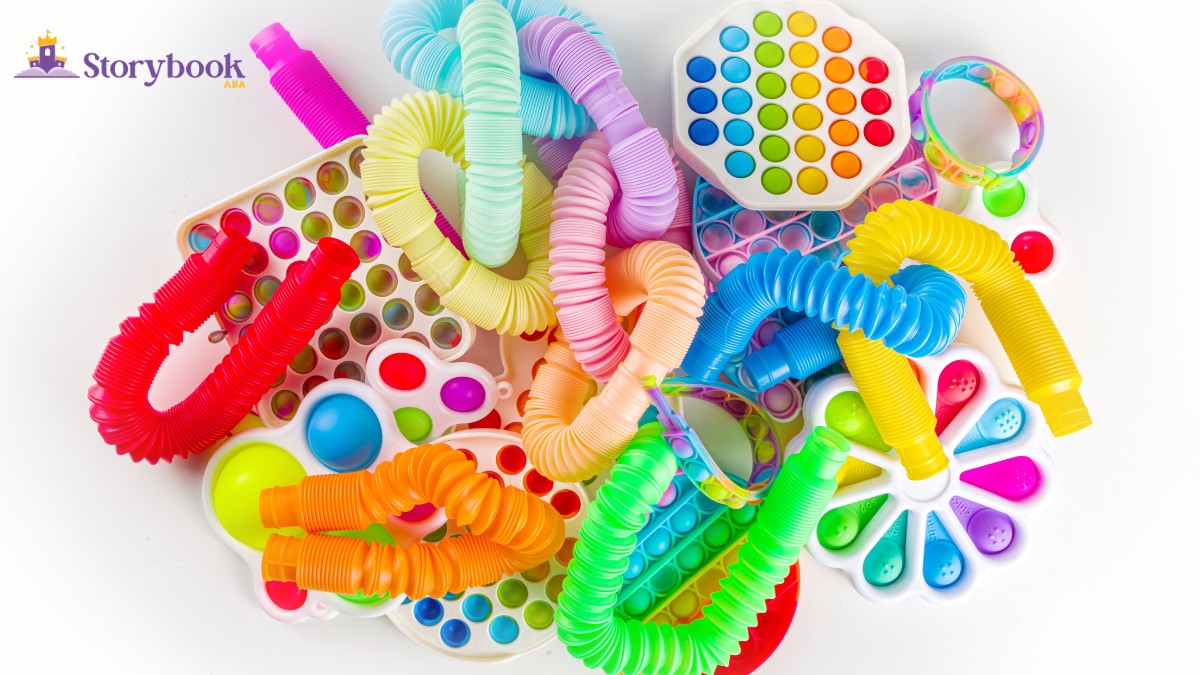
- Pop tubes or snap-and-click toys: Provide rhythmic auditory feedback for grounding.
- Liquid motion timers: Offer soothing, slow-moving visuals that help regulate emotional states.
- Light-up spinners: Useful in controlled environments, though they may not be ideal in overstimulating or public settings.
4. Weighted and Proprioceptive Tools
For adults needing pressure or movement-based input, proprioceptive toys are essential. These tools can offer deep pressure or resistance, which supports body awareness and calmness. Examples include:
- Hand grippers or resistance bands: Useful for relieving stress and offering joint compression.
- Weighted lap pads or handheld weights: Provide grounding feedback for the nervous system.
- Therapy balls or balance discs: Ideal for home or office use, these offer both sensory input and subtle core strengthening.
5. Discreet Fidget Tools for the Workplace
For autistic adults in office or academic settings, discretion matters. The following tools blend in while still offering much-needed support. Examples include:
- Tangle toys: Quiet and flexible, they help with fine motor stimulation and reduce restlessness.
- Desk pedal exercisers or foot rollers: These are non-distracting tools for lower-body movement under a desk.
- Magnetic rings or sliders: Compact, silent, and suitable for pockets or laps during meetings.
How to Choose the Right Fidget Toy?
Not all sensory tools are equally effective for every person. The best way to find the right fit is to observe the individual’s needs, triggers, and preferences. For instance, does the person crave movement, texture, sound, or pressure?
A trial-and-error approach may be needed. Some adults may rotate among multiple fidget tools based on setting or emotional state. The key is ensuring that the item supports regulation without creating new distractions.
Benefits of Using Fidget Toys for Adults with Autism
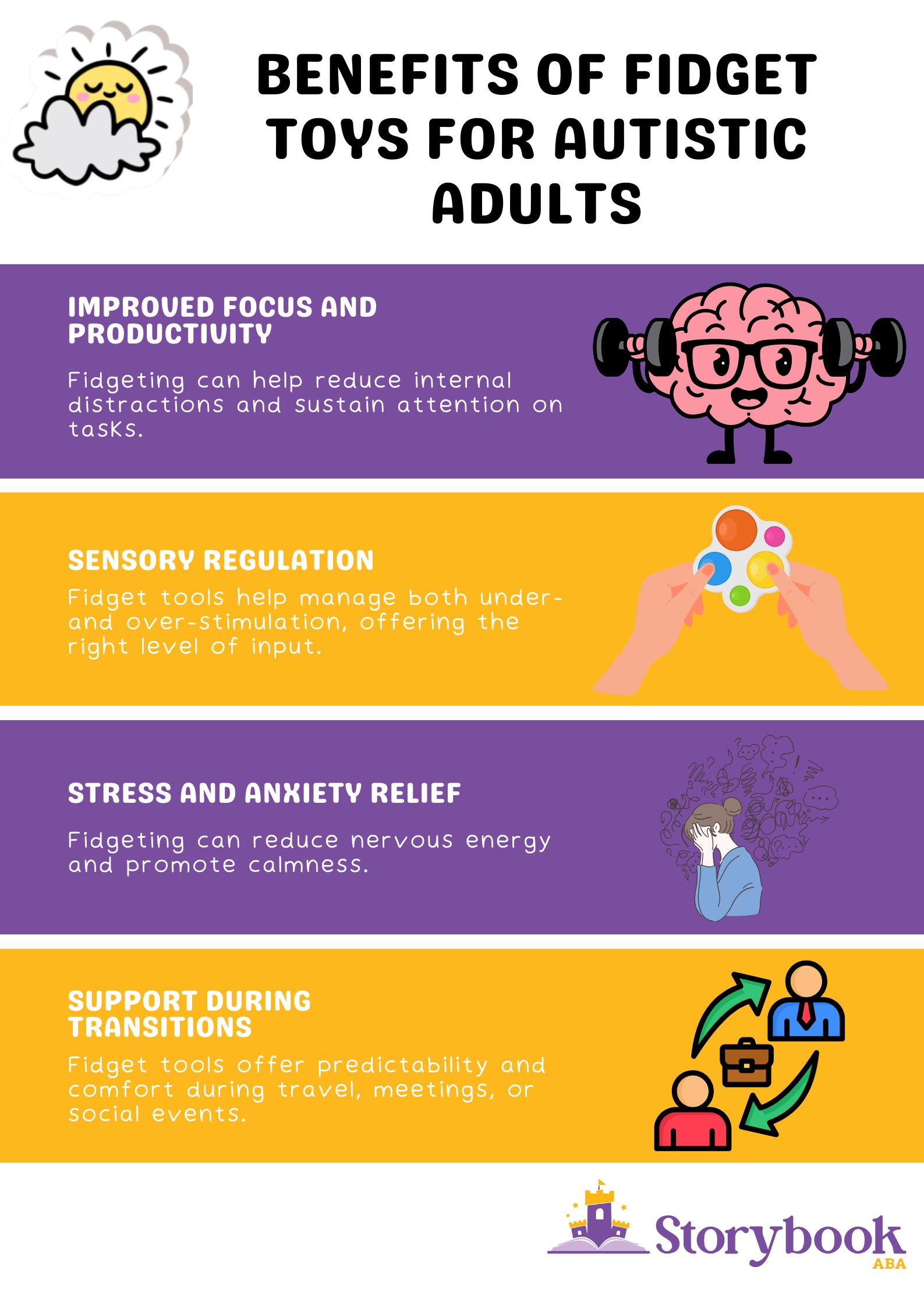
Fidget tools go far beyond “keeping hands busy.” For adults on the spectrum, they serve therapeutic and functional purposes. The right tools can enhance quality of life by supporting emotional, cognitive, and even physical well-being.
Key benefits include:
Can Fidget Toys Be Part of a Therapeutic Plan?
Absolutely. Fidget tools are often integrated into occupational therapy or behavior intervention plans. While they are not a substitute for structured therapy, they support goals like emotional regulation, independence, and coping strategies.
ABA therapists may recommend certain types of sensory tools after conducting a functional behavior assessment. When used strategically, fidget items can help reduce maladaptive behaviors by offering appropriate replacements. For example, an adult who bites their nails under stress may benefit from a chewable necklace or ring spinner.
It’s essential that any tool used therapeutically is monitored to ensure it meets the person’s needs and doesn’t become a source of distraction or dependency.
Create Structure and Support With ABA Therapy
While fidget toys can offer comfort and support, they are most effective when combined with a comprehensive care approach. Applied Behavior Analysis (ABA) therapy addresses underlying behavioral and emotional needs, helping autistic individuals learn new skills, reduce anxiety, and promote independence.
Storybook ABA offers personalized ABA therapy in Maryland and Virginia, focusing on the unique strengths and challenges of every client. Our team works closely with families to incorporate practical tools, like sensory supports, into a broader therapeutic plan designed for real-world success.
Contact us today to learn how ABA therapy can complement tools like fidget toys and create meaningful change for your loved one.