

Key Points:
- High-functioning autism can present differently from classic autism, especially in communication and independence.
- Early intervention, including social skills training and behavioral therapy, significantly improves long-term outcomes.
- Parents play a key role in supporting self-regulation, fostering independence, and advocating for appropriate accommodations.
Parenting a child with high-functioning autism can come with a unique set of challenges and strengths. While your child may have average or above-average intelligence, they may struggle with everyday social cues, transitions, and sensory sensitivities.
Raising a child on the autism spectrum can feel overwhelming at times, but the more informed and prepared you are, the more confident you’ll feel. In this article, we’ll walk you through how to recognize signs, build routines, support emotional growth, and seek professional help—including where ABA therapy fits in.
What Is High-Functioning Autism?
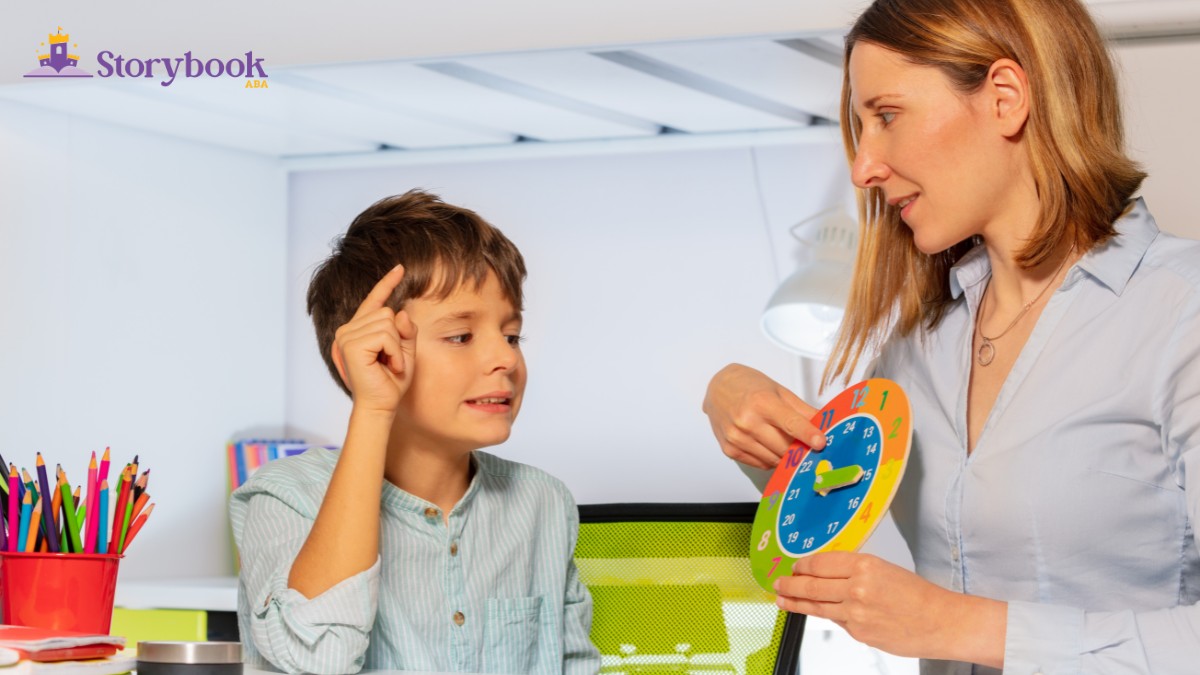
High-functioning autism refers to autistic individuals who have strong verbal and cognitive abilities but still face challenges in social interactions, flexibility, and behavior regulation. They often have average or above-average IQs but require support in managing day-to-day tasks and relationships.
While the term “high-functioning autism” is not an official medical diagnosis, many professionals and parents still use it to describe individuals on the autism spectrum who can handle basic tasks independently yet struggle in less obvious but significant ways. These struggles may include interpreting facial expressions, coping with changes in routine, or maintaining friendships.
How Is High-Functioning Autism Diagnosed?
Diagnosis typically involves a multidisciplinary approach, including developmental pediatricians, psychologists, and speech-language pathologists. Children with high-functioning autism might not receive a diagnosis until later than their peers with more apparent symptoms, because their communication milestones often fall within typical ranges.
However, despite strong verbal skills, their language use might be overly formal or lack reciprocal conversation. A full evaluation assesses not just communication but also behavior, sensory sensitivities, and social understanding.
What Are the Key Traits of High-Functioning Autism?
Children with high-functioning autism often show a specific profile of strengths and challenges. Recognizing these traits early helps guide support plans and educational accommodations. Below are some common traits to look out for:
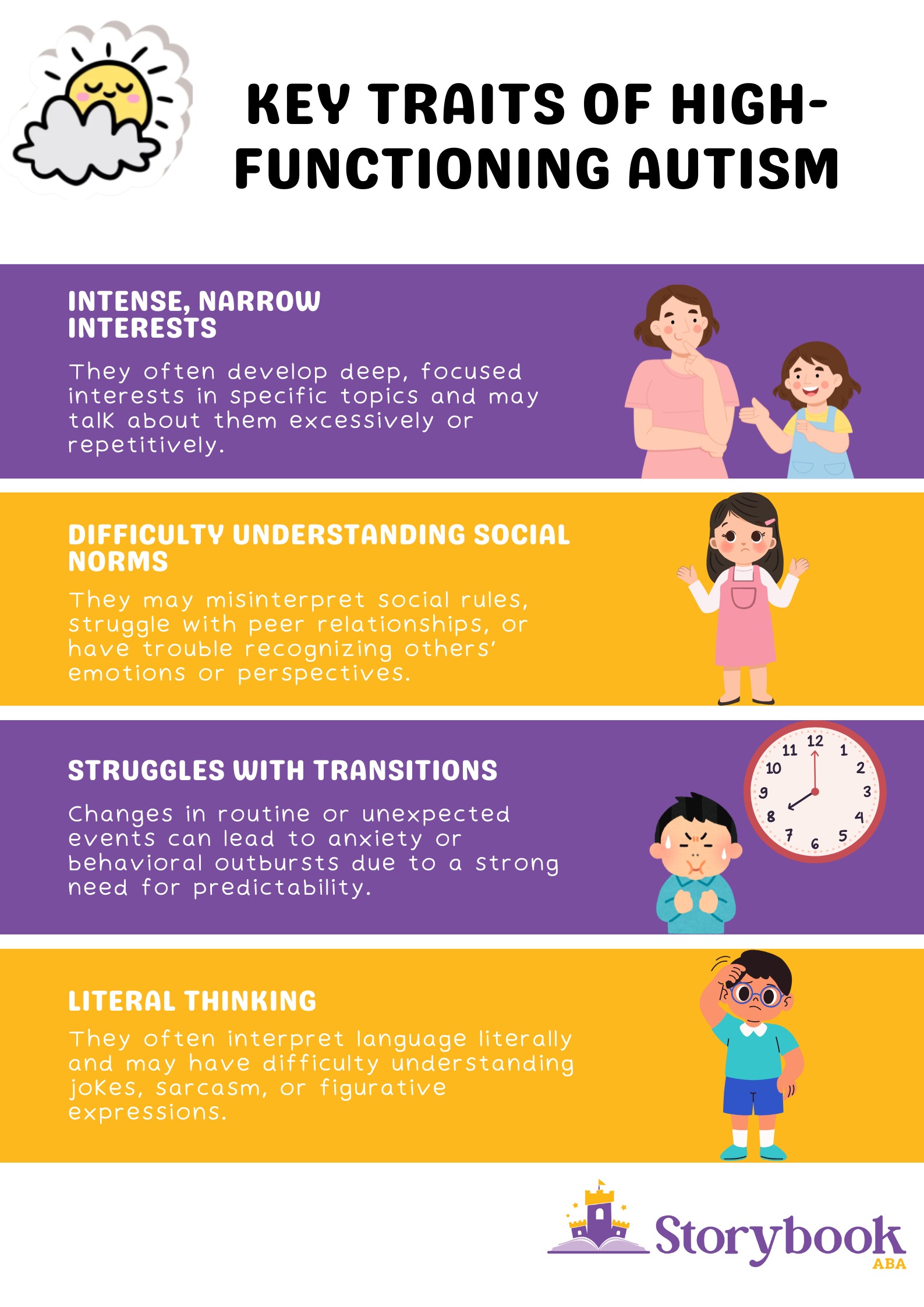
Each child will present differently, but understanding this pattern allows you to better support your child’s development.
How Can Parents Support Social Development?
Parents can support social development by creating consistent opportunities for interaction, modeling positive communication, and teaching social skills through everyday activities. Simple strategies like practicing turn-taking during play, encouraging eye contact, and helping children label emotions can build foundational social abilities.
Structured support such as playdates, group activities, and social stories also help children understand and navigate social situations. For children with autism or social challenges, therapies like ABA and speech-language therapy can further reinforce these skills. With patience, modeling, and guidance, parents play a key role in helping their child build meaningful social connections. Similarly, tools that offer comfort and sensory regulation can support individuals on the spectrum across all ages—learn more in our article Top Fidget Toys for Autistic Adults.
What Are the Best Ways to Support Emotional Regulation?
Emotional regulation is often one of the more invisible struggles in high-functioning autism. A child might seem “fine” until a change in plans or a loud noise leads to a sudden meltdown. Parents can support emotional development by teaching skills for identifying emotions, expressing needs, and calming down effectively.
Tools to build regulation might include:
1. Use Feelings Charts to Build Awareness
Feelings charts help children learn to identify and name their emotions. Visual tools make abstract feelings more concrete, which is the first step in self-regulation and emotional expression.
2. Incorporate Sensory Tools
Items like fidget toys, weighted blankets, or noise-canceling headphones can calm sensory overload. These tools empower children to self-soothe and stay grounded in overwhelming environments.
3. Teach Zones of Regulation
This structured approach breaks emotional states into color-coded zones. It helps children recognize how they feel and choose appropriate strategies to return to a calm, focused state.
4. Schedule Regular Downtime
Frequent quiet breaks allow children to reset after stimulation. Predictable rest periods prevent emotional overload and support consistent energy and mood regulation throughout the day.
5. Practice Mindfulness Techniques
Simple activities like deep breathing, guided imagery, or gentle movement can calm the nervous system. Adapting mindfulness to the child’s level builds lasting self-regulation habits.
6. Model Calm and Consistent Behavior
Children learn emotional regulation by watching adults. Modeling calm reactions and maintaining a predictable, low-stress environment helps reinforce emotional stability and trust.
Modeling calm reactions and creating a predictable environment are also essential to emotional success.
How Can You Help Foster Independence?
Fostering independence starts with giving children the tools and confidence to do things on their own. For children with autism or developmental delays, this means breaking tasks into small, manageable steps, offering visual supports, and allowing extra time for practice. Encouraging decision-making and self-advocacy—like choosing clothes or asking for help—also strengthens independence.
Consistency and patience are key. Create routines, praise effort, and gradually reduce support as your child gains skills. Whether it’s getting dressed, completing homework, or handling emotions, each small success builds toward greater confidence and autonomy.
What Should You Know About School and Accommodations?
Children with high-functioning autism are often placed in general education classrooms, but that doesn’t mean they don’t need support. An Individualized Education Plan (IEP) or 504 Plan can provide accommodations and services.
Parents play a central role in making sure those supports are in place. That means understanding not just what your child needs, but also what you’re legally allowed to ask for. Knowing your rights as a caregiver can make all the difference when it comes to advocating effectively—both in school settings and beyond.
Should You Consider ABA Therapy?
Applied Behavior Analysis (ABA) is a research-backed therapy that teaches new skills, improves behavior, and increases independence. For children with high-functioning autism, ABA can target social goals, emotional regulation, and communication skills rather than basic developmental milestones.
ABA is tailored to the child’s needs, meaning therapy can be flexible and highly individualized—even for children who are verbal and academically capable.
It’s important to work with a provider who understands the subtle yet impactful challenges that children with high-functioning autism experience. Goals may include reducing rigidity, increasing flexibility, building coping skills, and supporting peer interaction.
Create Structure and Support With ABA Therapy
If you’re seeking professional support tailored to your child’s specific needs, Storybook ABA offers personalized ABA therapy in Maryland and Virginia. Our team works closely with families to support children with high-functioning autism in building independence, social understanding, and emotional regulation.
Get in touch with us to learn how ABA therapy can provide a structured, compassionate path forward for your child. Let’s work together to help your child navigate their world with confidence and joy.