

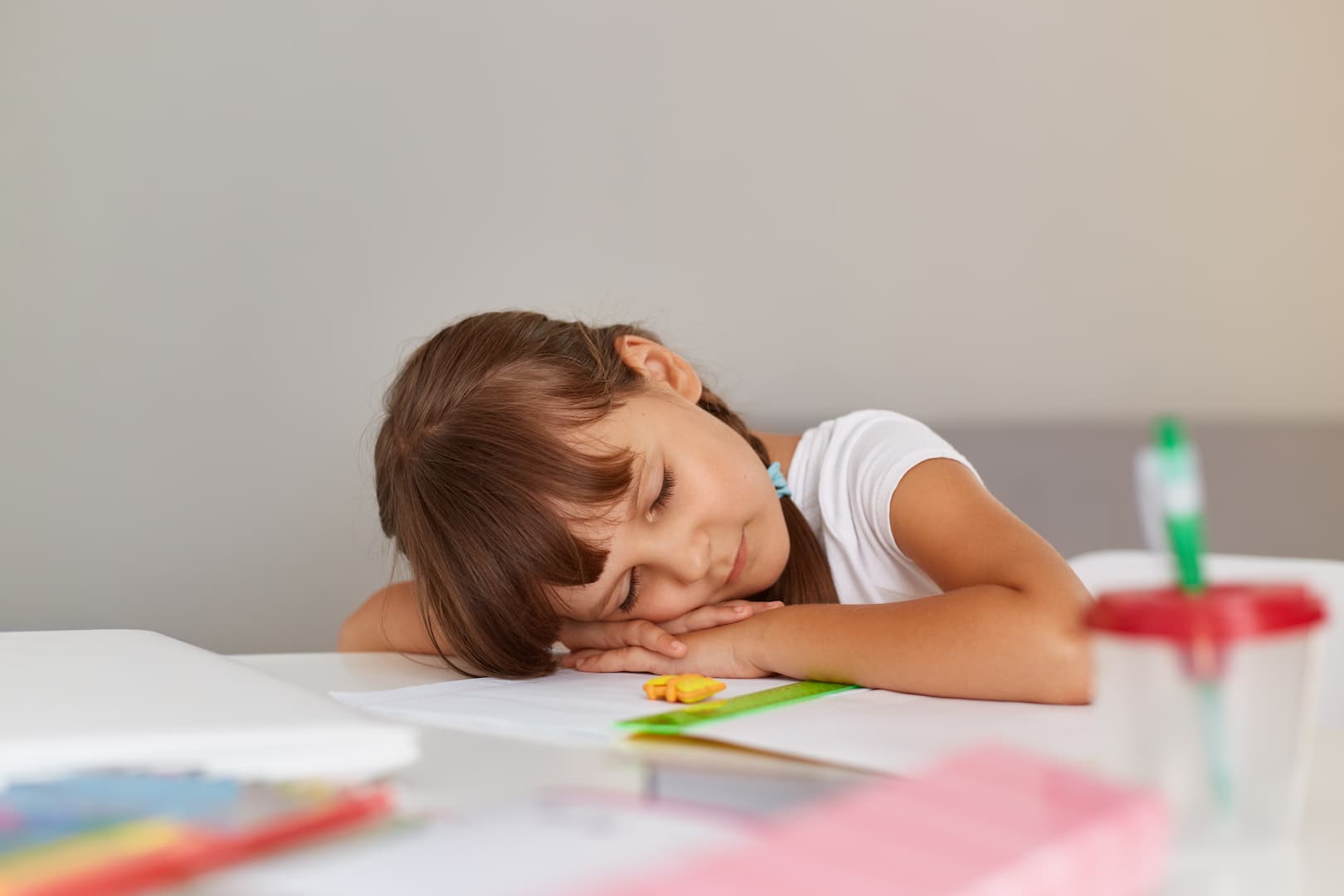
The link between autism and lack of sleep has been a subject of many studies, as it is observed in a large percentage of individuals with ASD. Of course, an autistic child not sleeping is also a major concern for parents and caregivers. This is problematic because their sleep issues, which include difficulty falling asleep and staying asleep, affect not only their quality of life. These can intensify other symptoms like irritability, social discomfort, and cognitive difficulties.
The Connection Between Autism and Lack of Sleep
A huge majority of children with autism have sleep issues. These autism sleep issues manifest not only as recurring night terrors or difficulty sleeping, but also as frequent awakenings, sleepwalking, and waking up too early in the morning.
Some factors contribute to these sleep issues. That includes their sensory sensitivity. As you probably know, most autistic children also have hypersensitivities, which can make it extra difficult for them to fall asleep at night.
Another factor is anxiety, which a lot of kids on the spectrum also suffer from. Anxiety can get in the way of a child’s ability to fall and remain asleep.
There are also some comorbidities, like gastrointestinal problems and ADHD, which can further exacerbate the problem.
How Autism Sleep Issues Affect Quality of Life
Irregular autism sleep patterns and disturbances have a big impact on the quality of life of a child and their families. This is because poor sleep can lead to unregulated emotions and increased irritability. In school, children who don’t sleep will have difficulty concentrating and absorbing lessons. And of course, because they’re not well-rested, kids can feel fatigued for days.
Needless to say, effective sleep interventions, like a modified sleep training that is tailored to the needs of the child, are critical if you want to alleviate the repercussions of having poor sleep quality. Techniques employed during ABA therapy sessions, bedtime routines, and the use of recommended supplements could be beneficial for kids with sleep problems.
Sensory Sensitivities in Sleep Bedtime Routines
Children with autism have sensory sensitivities that can get in the way of their ability to fall asleep at night. These could be sensitivities to the texture of their blanket or bedding, the sounds coming from outside, or even the lighting in their room.
These sensitivities must be recognized and addressed, as they might be the only reason your child cannot sleep well at night. You might have to invest in a white noise machine that could drown out any disruptive sounds, some blackout curtains to keep lights from lamp posts or passing cars from getting into the room. It’s also a good idea to take your child when you buy them pillows, weighted blankets, and beddings, so they can choose the textures they’re comfortable with.

How ABA Therapy Helps with Autism and Lack of Sleep
Applied Behavior Analysis or ABA addresses sleep issues among children and adults with autism through the employment of tailored strategies, including modified sleep training and positive reinforcement. Their techniques could include establishing consistent bedtime routines so the child will fully understand when it’s time to prepare for sleep.
Therapists may also establish progressive extinction protocols that teach kids effective self-soothing techniques. Such methods not only help improve sleep but also aid in reducing symptoms of anxiety. The goal is for the child to develop self-regulation and learn independence, even in their sleep habits.
Let’s take a closer look at some of the techniques suggested by ABA therapists for better sleep quality:
Positive Reinforcement
Here, children get rewarded for following their bedtime routines. This not only encourages better sleep habits but also promotes engagement in kids and gives them a sense of accomplishment, too.
Environmental Adjustments
A child can sleep better if they have a bedroom that’s conducive to sleep. This means as a parent, you’d have to create a calmer sleep environment for your child, free from distractions. Perhaps you can add a small speaker where you can play lullabies at night, and a weighted blanket and softer pillows for enhanced relaxation. You can also modify the lighting in the room to make the ambience more relaxing for your child.
Strict Schedules
You can make a visual board that shows your child’s routine up to the moment they’re supposed to sleep. Make sure to add activities leading to sleep time that will help establish it’s time to prepare for bed, like night bath time, a bedtime story, and lights off. Consistency is crucial because a child needs to understand when it’s time to wind down, and this can help them relax, too.
Escape Extinction
This method can help reduce tantrums at night as you also gradually increase the intervals between parent checks at night, especially when they frequently wake up at night.
Should Your Child Try Melatonin Therapy?
When a child has insomnia and other strategies are not working as well as expected, their doctor or therapist might recommend a multifaceted approach, and this might include the intake of melatonin. Melatonin has been proven effective in reducing the time it takes for a person to fall asleep. It also helps improve sleep quality. Combined with the mentioned sleep-promoting techniques, melatonin therapy could be the solution you’re looking for to address the problem of autism sleep issues.
Addressing Autism Sleep Issues Requires a Collaborative Effort
While the problem is evident only at night, addressing this concern requires a collaborative approach from you, your child’s pediatrician, and your child’s ABA therapist. This way, strategies will be consistent on all fronts. The good news is that ABA therapy from a reputable center like Storybook ABA can significantly improve autism sleep patterns and overall well-being.
Storybook ABA in Virginia offers a safe space and reliable ABA services, all designed to help children with ASD – providing support where needed and boosting their strengths so they can thrive. Give us a call to learn about our ABA services!