

Key Points:
- Many children with autism experience sensitivity to light (photophobia), which can affect comfort, focus, and behavior.
- Light sensitivity in autism can stem from sensory processing differences, neurological factors, and environmental triggers.
- Managing this sensitivity involves personalized strategies such as environmental adjustments, occupational therapy, and applied behavior analysis (ABA) techniques.
Understanding Light Sensitivity in Autism
Many parents of children with autism notice a pattern: their child squints in bright rooms, avoids sunlight, or becomes overwhelmed by fluorescent lights. This reaction, known as light sensitivity or photophobia, is common among individuals on the autism spectrum.
Sensitivity to light in autism isn’t just about disliking brightness. It’s a sensory experience that can trigger discomfort, anxiety, or even behavioral meltdowns. For some children, even a simple change in lighting can disrupt focus or daily routines. Understanding why this happens is the first step toward creating a calmer and more supportive environment.
What Causes Light Sensitivity in Autism?
The exact causes of light sensitivity in autism can vary, but several key factors are often at play:
1. Sensory Processing Differences
Children with autism often experience sensory processing differences, meaning their brains interpret sensory information, such as sounds, textures, or light more intensely. For some, visual input like glare or flickering lights can overwhelm the nervous system.
Research published in Autism Research (2020) found that up to 70% of autistic individuals experience atypical sensory processing, including visual hypersensitivity. This heightened response can make environments with bright or flashing lights extremely uncomfortable.
2. Neurological Factors
Studies suggest that differences in brain connectivity and visual cortex activity may contribute to increased light sensitivity. For instance, the brains of autistic individuals may have difficulty filtering visual input, causing certain wavelengths or intensities of light to feel more intrusive.
Some researchers also point to irregularities in the magnocellular visual pathway – responsible for processing motion and brightness as a possible cause. This means fluorescent flickers or strong contrasts can be particularly bothersome.
3. Co-occurring Conditions
Light sensitivity in autism can be intensified by co-occurring conditions such as migraines, epilepsy, or anxiety disorders. Each of these can independently increase sensitivity to visual stimuli, and when combined with sensory processing challenges, they can magnify discomfort.
4. Environmental and Behavioral Factors
Children may associate certain lighting environments with negative experiences, such as loud classrooms or medical settings. Over time, this conditioning can lead to heightened sensitivity or avoidance behavior.
Recognizing Symptoms of Light Sensitivity
Sensitivity to light in autism can manifest in subtle or clear behavioral cues. Parents and caregivers should look out for signs such as:
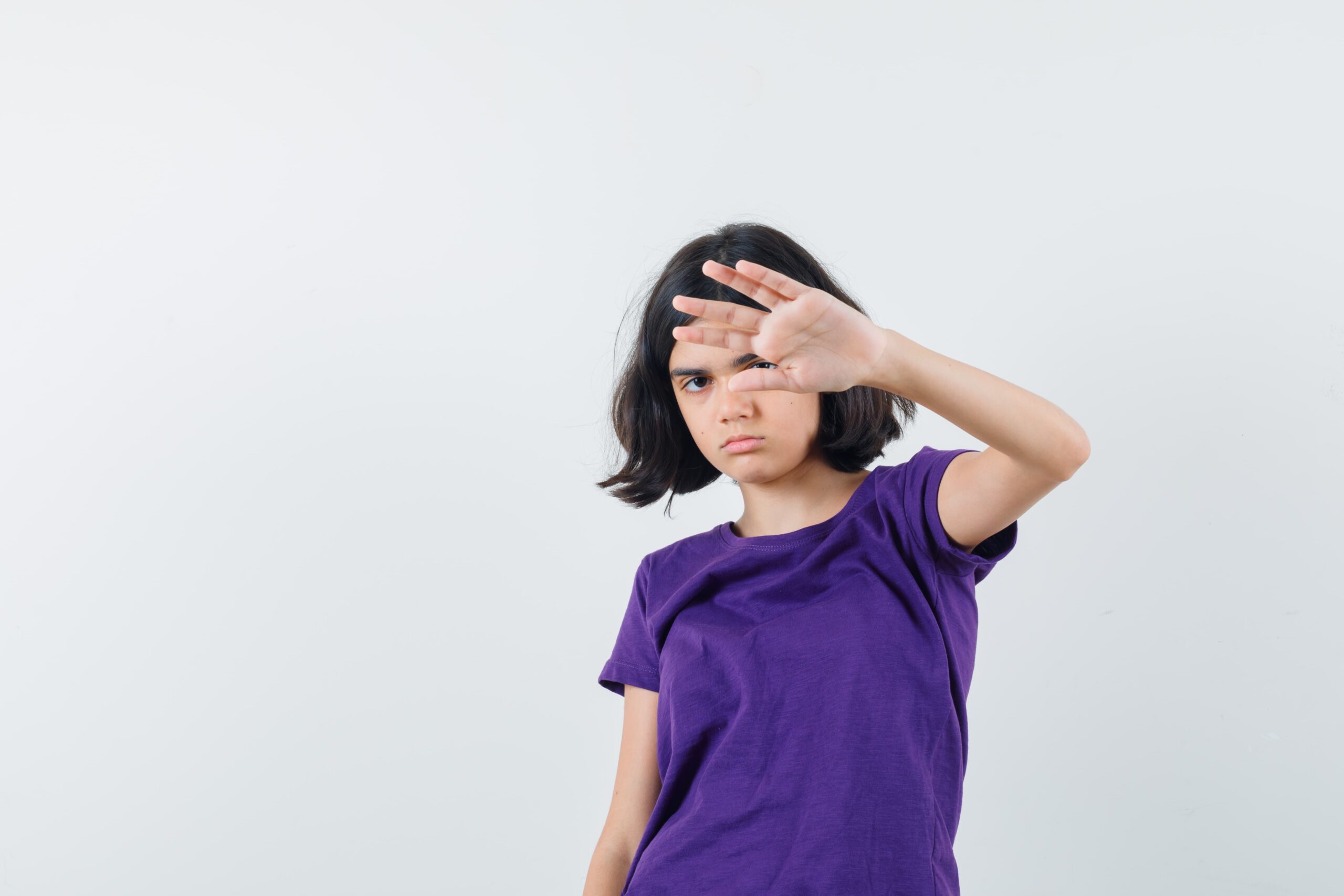
- Squinting, shielding eyes, or turning away from light sources
- Preferring dimly lit spaces or avoiding daylight
- Covering the face or wearing hats and sunglasses indoors
- Eye rubbing, headaches, or irritability under bright lights
- Difficulty focusing or completing tasks in bright environments
- Meltdowns or anxiety triggered by changes in lighting
These behaviors are often misinterpreted as defiance or inattention when, in reality, they may signal sensory overload. Recognizing these signs helps parents respond with empathy and appropriate support.
How Light Sensitivity Affects Daily Life
For children on the spectrum, light sensitivity can impact more than comfort; it can influence learning, social interaction, and emotional regulation.
In classrooms, harsh fluorescent lights can make it hard to concentrate or participate. At home, bright bathrooms or kitchen lighting can cause avoidance of daily routines like brushing teeth or eating meals. Social settings, such as playgrounds or birthday parties, may feel overwhelming due to sunlight or flashing lights from decorations.
Over time, this sensory stress can lead to anxiety or behavioral challenges, especially if the child feels misunderstood. Addressing light sensitivity early helps prevent these issues from escalating.
Practical Solutions for Managing Light Sensitivity in Autism
There is no one-size-fits-all approach, but small, consistent adjustments can make a significant difference. Below are effective strategies to reduce discomfort and improve daily functioning:
1. Adjust the Environment
- Use soft, indirect lighting instead of harsh overhead lights.
- Replace fluorescent bulbs with LED or full-spectrum bulbs that don’t flicker.
- Install dimmer switches to control brightness.
- Encourage natural lighting during the day, but use curtains or blinds to soften glare.
2. Create Safe Zones
Designate a calm, low-light area in your home or classroom where your child can retreat when feeling overstimulated. This space could include soft lighting, neutral colors, and minimal visual clutter.
3. Try Visual Supports
Some children benefit from tinted glasses or blue-light filtering lenses. These help reduce the intensity of certain wavelengths that often trigger discomfort. It’s best to consult an optometrist experienced in sensory or developmental needs before choosing lenses.
4. Build Light Tolerance Gradually
Gradual exposure therapy, guided by an occupational therapist or ABA therapist, can help children slowly adapt to different lighting environments. For example, increasing light levels for short periods and reinforcing calm behavior can reduce sensitivity over time.
5. Collaborate with Schools
Teachers and staff can adjust classroom lighting, seat placement, and schedules to accommodate light sensitivity. Sharing your child’s sensory preferences and coping tools ensures consistency between home and school.
How ABA Therapy Can Help with Light Sensitivity
Applied Behavior Analysis (ABA) therapy doesn’t directly treat sensory sensitivities, but it helps children build coping skills, self-advocacy, and adaptive behaviors.
ABA therapists can identify triggers related to light exposure and teach alternative responses, like asking for a break or using sunglasses, rather than engaging in avoidance or meltdown behaviors. Through reinforcement and structured practice, children learn to manage sensory discomfort more effectively.
ABA programs also involve parent training, empowering caregivers to apply the same strategies at home and in the community. This consistency supports long-term progress.
Supporting Your Child Emotionally
While environmental changes help, emotional support is equally crucial. Children with light sensitivity in autism often feel misunderstood or frustrated when others can’t relate to their discomfort.
Validate your child’s experience by acknowledging their feelings and offering comfort. Encourage communication, whether through words, gestures, or visuals, so they can express when lighting feels overwhelming. Over time, this builds trust and emotional resilience.
Creative Tools to Support Sensory Comfort
Parents have found innovative ways to help their children manage light sensitivity without drastic lifestyle changes:
- Visual schedules that indicate lighting changes (e.g., “Time to open curtains”) can help children prepare.
- Sensory-friendly sunglasses or hats allow kids to participate in outdoor activities more comfortably.
- Light filters for computer screens and devices reduce strain during learning or leisure.
- Weighted blankets or deep-pressure tools can calm the nervous system when overstimulation occurs.
These tools don’t just minimize sensory overload; they help children regain a sense of control in their environment.
When to Seek Professional Help
If light sensitivity severely interferes with your child’s daily life, it may be time to consult professionals. Occupational therapists, developmental pediatricians, and ABA therapists can assess sensory needs and create individualized support plans.
In some cases, an optometrist trained in visual processing or a neurologist may be needed to rule out underlying medical conditions such as migraines or seizures. Early intervention and collaboration among specialists can make managing sensitivity much easier.
Illuminating Understanding: A New Perspective on Sensory Sensitivity
Light sensitivity in autism can feel challenging for both children and caregivers, but it’s also an opportunity to better understand how your child experiences the world. With awareness, environmental changes, and supportive therapies, children can learn to navigate light exposure with confidence and comfort.
Each child’s sensory journey is unique. By approaching sensitivity with patience and curiosity, parents can transform daily struggles into moments of connection and growth.
If your child struggles with sensitivity to light or other sensory challenges, professional support can make all the difference. Storybook ABA offers individualized ABA therapy in Maryland and Virginia, helping children build adaptive skills and manage sensory-related behaviors through evidence-based, compassionate care.
Our team at Storybook ABA collaborates closely with families to create customized strategies that support your child’s comfort, confidence, and progress, at home, in school, and in the community.
Reach out to us today to learn how our ABA therapy services in Maryland and Virginia can help your child thrive in a brighter, calmer world.