

Key Points:
- ABA therapy uses evidence-based strategies to teach daily living skills in practical, achievable steps.
- Real-life examples show how tasks like dressing, grooming, and meal preparation can be taught using ABA principles.
- Building independence in self-help skills from childhood supports better outcomes for autism in adults.
Parents and caregivers of children with autism often wonder how to help their child build independence in everyday routines. Brushing teeth, putting on clothes, or even preparing a snack can feel like overwhelming tasks. You might have tried teaching these self-help skills for autism over and over, but progress seems slow or inconsistent.
This is where Applied Behavior Analysis (ABA) therapy becomes a powerful support system. ABA isn’t just about behavior reduction or managing meltdowns. One of its most impactful uses is helping children with autism learn daily living skills that make them more independent in their homes, schools, and communities.
In this article, we’ll walk through how ABA therapy enhances daily living skills for children with autism, using real-life examples and practical techniques. We’ll also share tips you can begin using today, plus a look at how mastering these skills early has long-term benefits well into adulthood.
Why Daily Living Skills Matter for Children with Autism
Daily living skills are the basic routines we all need to function each day. These include:
- Dressing and grooming
- Toileting and hygiene
- Feeding and meal prep
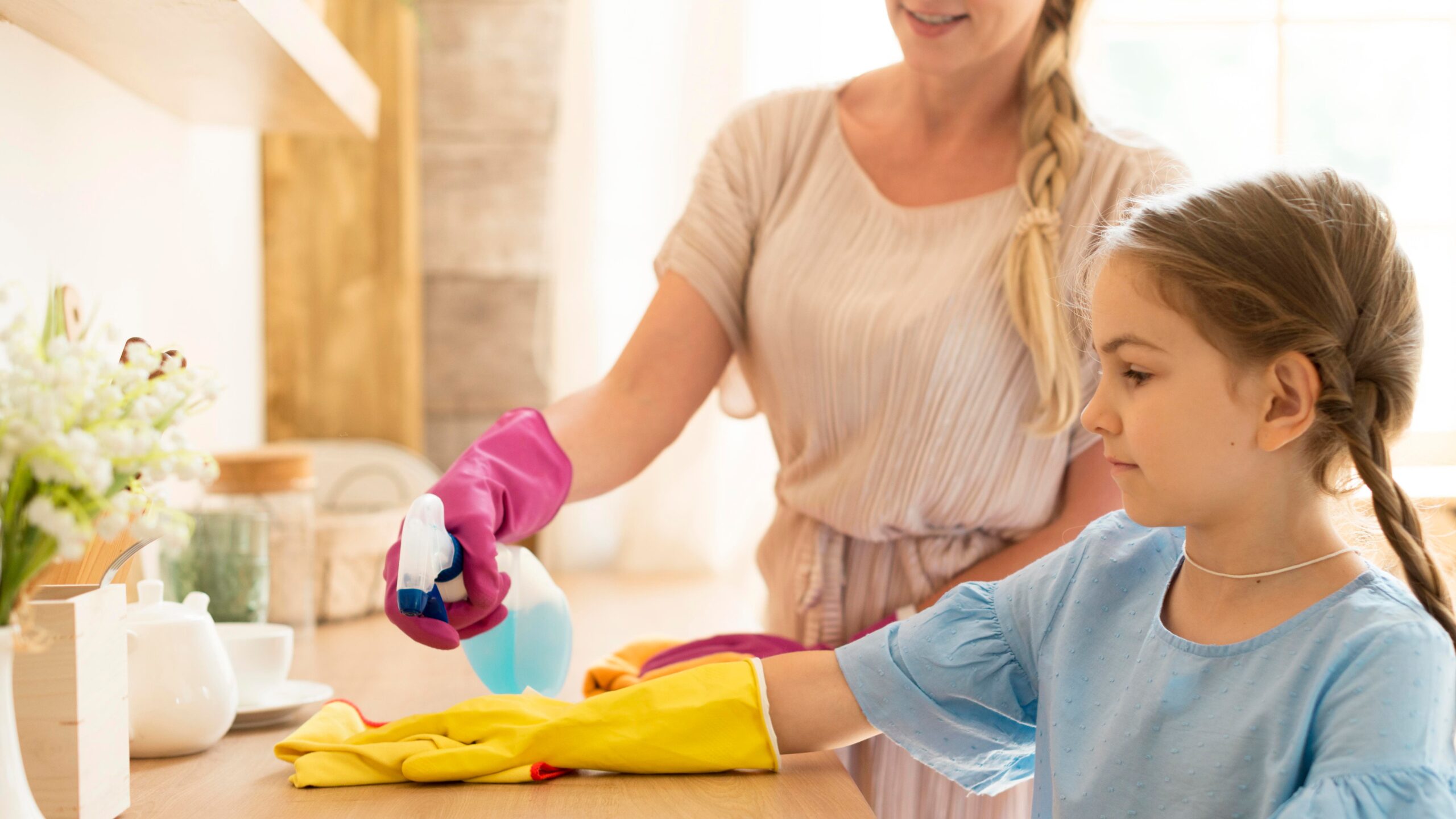
- Household chores
- Safety awareness
For children with autism, learning these skills often requires a structured, individualized approach. These abilities not only improve independence at home but also prepare kids for transitions to school, community settings, and eventually adult life.
Parents often ask: “Will my child be able to live on their own one day?” While there’s no one-size-fits-all answer, early instruction in daily living skills builds a critical foundation.
ABA and Daily Living Skills: The Basics
ABA therapy uses techniques like task analysis, prompting, reinforcement, and shaping to break down complex tasks into small, teachable steps.
Let’s say you want your child to learn how to brush their teeth. Instead of giving the direction “Go brush your teeth,” an ABA therapist might create a step-by-step plan like this:
- Pick up the toothbrush
- Turn on the water
- Wet the toothbrush
- Put toothpaste on the brush
- Brush top teeth for 10 seconds
- Brush the bottom teeth for 10 seconds
- Spit
- Rinse mouth
Each step can be taught one at a time, with specific prompts and rewards as needed. This approach makes overwhelming routines manageable and measurable.

Teaching Self-Help Skills: Autism and Daily Progress
ABA focuses on self-help skills for children with autism to encourage independence across all ages.
Here are real-life examples of how these skills can be taught through ABA strategies:
Dressing Independently
- Task Analysis: Breaking down steps like “put on shirt” into micro-steps (e.g., find shirt, open neck hole, insert head, insert arms).
- Prompt Fading: Initially helping physically or with verbal cues, then gradually reducing assistance.
- Reinforcement: Praising or rewarding the child after each completed step or after completing the entire task.
Toilet Training
- Data Collection: Tracking times when accidents occur to predict readiness.
- Scheduled Sits: Bringing the child to the bathroom at consistent intervals.
- Positive Reinforcement: Providing immediate rewards after successful attempts.
These aren’t one-size-fits-all strategies. They’re customized for the child’s age, developmental level, and sensory sensitivities. Some children may need visual schedules, timers, or songs to stay on task.
Using a Daily Living Skills Checklist for Autism
A daily living skills checklist for autism helps families and therapists track progress, identify gaps, and prioritize goals.
These checklists often cover:
- Personal hygiene
- Feeding and cooking
- Home safety skills
- Community skills (e.g., using money, asking for help)
- Communication needs in daily tasks
Using a checklist ensures that no skill is overlooked and helps caregivers see long-term growth. These tools can be adjusted as the child gets older or gains more independence.
For example, a checklist for a 5-year-old might include “Brush teeth with help,” while for a 12-year-old it could be “Pack lunch for school independently.”
Making Daily Living Skills Activities Fun and Effective
Practice doesn’t have to be dull or stressful. ABA therapists often incorporate daily living skills activities into play or routines to make learning more engaging.
Some effective strategies include:
- Role-playing: Using dolls or stuffed animals to “practice” brushing teeth or getting dressed.
- Visual Supports: Step-by-step picture guides taped to the bathroom mirror.
- Choice Boards: Letting the child choose which order to complete tasks in, adding a sense of control.
Parents can use these same strategies at home, especially when practicing skills outside of therapy sessions. Consistency and reinforcement across environments are key to success.
Connecting Self-Help Skills to Long-Term Outcomes
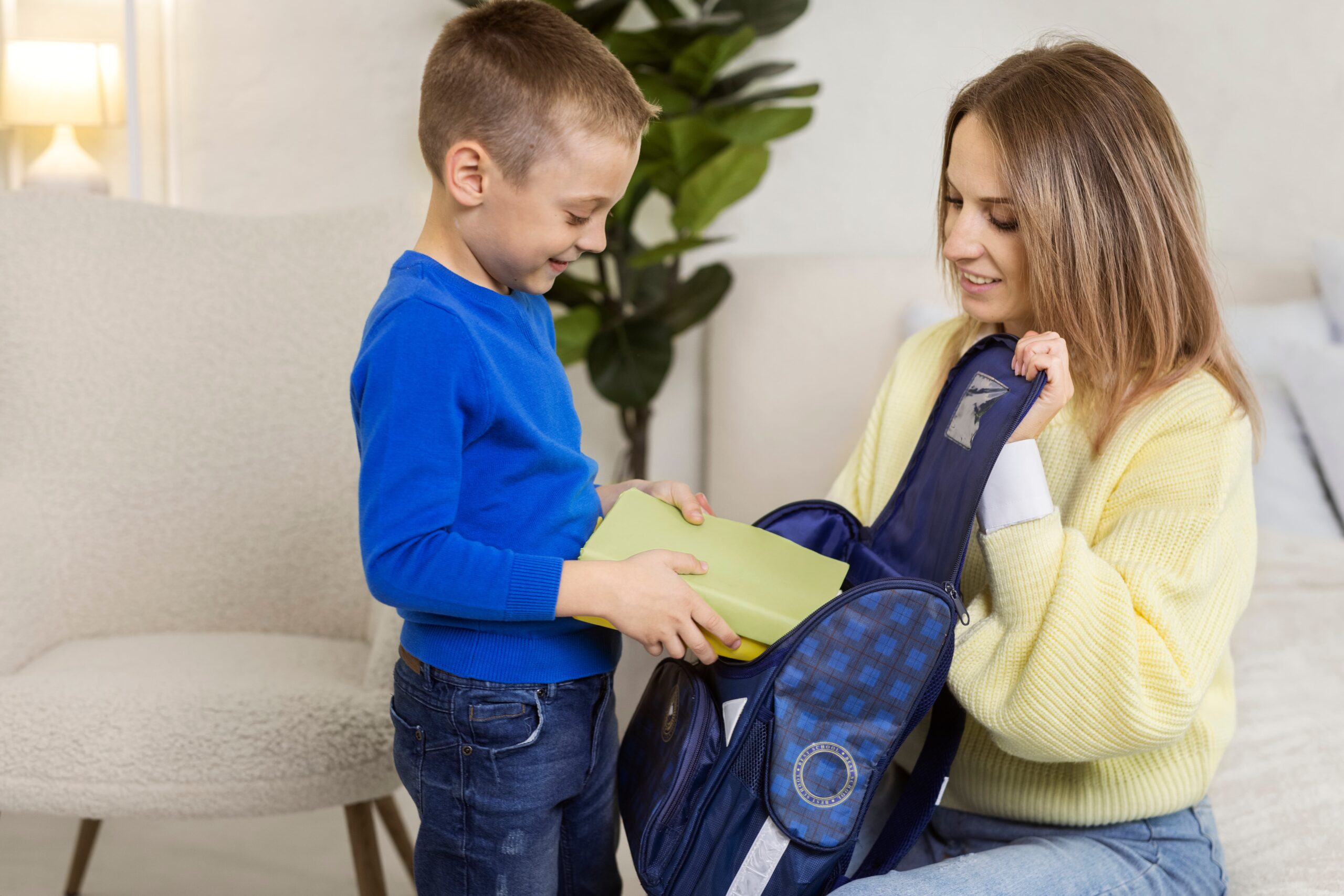
When you teach self-help skills to children with autism, you’re not just helping them today; you’re shaping their future. These foundational skills translate directly to more independence, reduced reliance on caregivers, and a smoother transition into adulthood.
There’s growing recognition that we need to support autism in adults, not just children. Many adults on the spectrum struggle with employment, housing, or relationships simply because they didn’t master essential daily routines early in life.
That’s why ABA’s focus on functional, real-world goals is so valuable. Teaching a 6-year-old how to use a fork or tie their shoes may seem small, but it’s a critical step toward self-sufficiency later on.
Tips for Supporting Daily Living Skills at Home
Here are some strategies caregivers can implement right away:
- Model the task first: Children learn by watching. Narrate your actions as you perform them.
- Use consistent language: Keep directions clear and short (e.g., “Put on socks” instead of “Get ready”).
- Create visual schedules: Use pictures to outline routines like morning prep or bedtime.
- Build routines slowly: Focus on one new skill at a time.
- Celebrate progress: Reinforce even small wins to keep motivation high.
Consistency between home and therapy settings is crucial. Communicate often with your ABA provider to align goals and share updates.
Support Progress with ABA Therapy
If you’re feeling overwhelmed or unsure where to begin, that’s okay. Teaching daily living skills to a child with autism takes time, patience, and the right strategies. You don’t have to do it alone.
ABA therapy offers structured, individualized support to help your child succeed at home and beyond. Whether it’s learning to zip a jacket or prepare a simple meal, these achievements build the confidence and independence every child deserves.
Get Personalized ABA Therapy Services in Maryland and Virginia
ABA therapy offers a proven way to teach daily living and self-help skills to children with autism. By using step-by-step instructions, positive reinforcement, and individualized plans, these strategies promote long-term independence and prepare children for success in both childhood and adulthood.
Ready to support your child’s independence through structured, evidence-based learning? Storybook ABA provides ABA therapy services in Maryland and Virginia, helping children with autism build daily living and self-help skills step by step.
Our team at Storybook ABA works closely with families to create customized programs that target real-life goals, from dressing and hygiene to meal prep and beyond. If you’re looking for a partner in helping your child thrive through practical skill-building, we’re here to help.
Contact us today to learn more about how ABA therapy can make a meaningful difference in your child’s daily life.