
Key Points:
- Sensory bins are hands-on tools that support regulation, focus, and tactile exploration in autistic children.
- Different filler types and themes can target specific sensory needs, like texture tolerance or fine motor skills.
- Incorporating sensory bins into routines builds engagement, especially when paired with visual supports and ABA-informed strategies.
Sensory bins are more than a fun activity—they’re a practical way to help children with autism explore textures, develop motor skills, and regulate emotions. These hands-on tools provide structured sensory input that supports calm and focus.
By offering tactile experiences in a predictable, low-pressure way, sensory bins can reduce overwhelm and increase engagement. Whether used at home, in school, or during therapy, they’re easily customizable to fit each child’s comfort level and developmental goals.
In this article, we’ll share the best sensory bin ideas for autism, including creative themes, filler options, and tips for using them effectively within ABA-informed routines.
What Is a Sensory Bin for Autism?
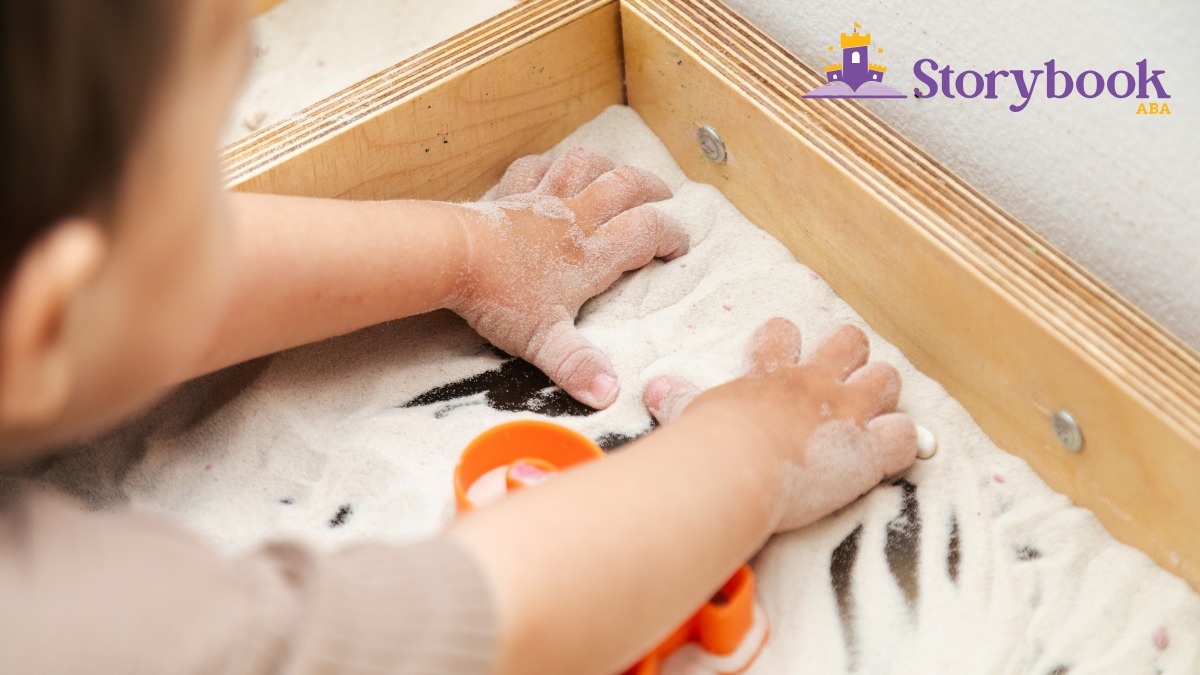
A sensory bin for autism is a container filled with tactile materials and themed objects that promote exploration, regulation, and play. These bins are designed to stimulate the senses while providing structured and calming activities that can support learning, focus, and self-regulation.
Sensory bins aren’t just toys—they’re targeted tools. When carefully crafted, they can address tactile sensitivity, improve motor planning, and support attention through hands-on interaction. For children on the autism spectrum, these bins often become part of a daily sensory routine at home, in therapy, or in school settings.
Why Are Sensory Bins Beneficial for Autistic Children?
Sensory bins benefit autistic children by supporting regulation, focus, and sensory processing through hands-on, tactile play. They can reduce anxiety, improve fine motor skills, and provide a calming, structured activity tailored to each child’s sensory profile.
By offering consistent sensory input—such as scooping, digging, and sorting—these bins help meet sensory needs in a safe, controlled way. Sensory bins can also support communication goals, build tolerance to new textures, and become part of a routine that enhances emotional regulation and engagement. Many therapists and parents use them as a daily tool for learning and self-soothing.
How Do You Choose the Right Sensory Bin Fillers?
The filler is the core element of the bin. It determines the sensory experience, which should match your child’s comfort level and goals. Some children enjoy dry, grainy textures, while others may prefer soft or wet fillers.
When selecting a filler, consider tactile tolerance, potential allergens, and cleanup needs. You can start simple and build complexity as your child’s sensory tolerance grows.
Popular sensory bin fillers include:
1. Dry Rice
Dry rice offers a simple, low-mess tactile experience. It’s lightweight, easy to dye, and great for scooping, pouring, and hiding small objects to build fine motor and sensory tolerance.
2. Dried Beans or Lentils
These fillers provide a heavier texture that can be calming for some children. Their weight and sound during play add auditory and proprioceptive input while supporting sorting or counting games.
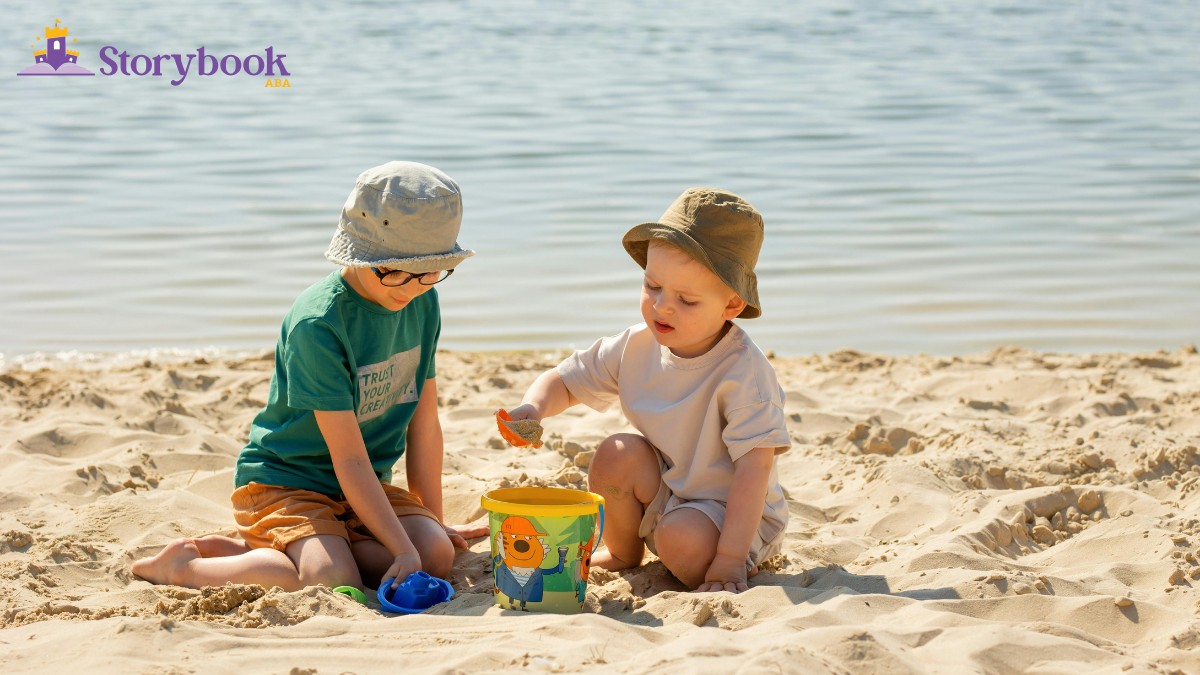
3. Kinetic Sand
Kinetic sand holds shape while remaining soft and moldable. It’s ideal for creative play like building or digging, and can also support hand strength and bilateral coordination during sculpting activities.
4. Water Beads
Water beads are soft, bouncy, and slippery—great for tactile-seeking children. They require supervision but offer soothing, squishy input that helps develop sensory awareness and fine motor skills through grabbing and squeezing.
5. Shredded Paper or Easter Grass
This lightweight filler provides a crinkly, visual experience. Children can dig through layers to find hidden items, encouraging curiosity, sensory exploration, and basic sorting or categorization practice.
6. Cloud Dough (Flour and Oil Blend)
Cloud dough feels smooth and moldable but crumbles easily. It combines soft and grainy textures, offering resistance and control that can be calming and help build tolerance to messier substances.
7. Cooked Pasta
Cooked pasta is great for wet sensory bins. It’s slippery and squishy, offering strong tactile input. Add food coloring for visual appeal, and use it for themed bins like bugs or rainbows.
8. Aquarium Gravel or Smooth Pebbles
These heavier fillers offer resistance and make a satisfying sound when scooped or poured. They support sensory-seeking behavior and work well in nature-themed or construction bins for digging and sorting.
Each of these fillers provides a different tactile experience—grainy, squishy, slippery, or soft. Choose based on your child’s reactions and gradually introduce new textures in small doses.
What Themed Sensory Bins Are Great for Kids With Autism?
Themed sensory bins can spark curiosity and make sensory play feel like imaginative storytelling. Themes can also help tie in educational or life skill goals like sorting, sequencing, or categorizing.
Here are creative sensory bin themes for autistic children:
1. Ocean Exploration
Blue rice, seashells, and plastic sea animals make for a calming, themed experience. Kids can scoop, sort, and pretend to explore underwater scenes while building tactile and fine motor skills.
2. Construction Zone
Kinetic sand paired with toy trucks, rocks, and bricks creates a fun digging environment. It promotes imaginative play, spatial concepts, and opportunities for sorting and sequencing construction-related items.
3. Dinosaur Dig
Using beans, mini dinos, shovels, and brushes, this bin mimics an excavation site. It helps develop fine motor precision, patience, and interest in science or prehistoric themes.
4. Farm Life
Corn kernels, toy animals, and faux hay offer a multi-textured experience. Kids can practice matching animals to sounds or habitats, fostering language, sorting, and rural life connections.
5. Alphabet Hunt
Hide foam letters or beads in rice or pasta for literacy-based play. Children can find, name, and sequence letters, supporting pre-reading skills through hands-on sensory engagement.
6. Rainbow Sort
This colorful bin uses dyed rice or pom-poms and sorting cups. It teaches color recognition, patterning, and categorization, while promoting calming, repetitive movement with visual appeal.
7. Bug Search
Soil or cocoa powder with plastic bugs and magnifiers turns kids into little entomologists. It encourages exploration, curiosity, and descriptive language, especially for children who love nature.
These themes can be tied to seasons, favorite interests, or current school lessons. Rotate them every few weeks to keep the activity fresh and exciting.
How Can You Use Sensory Bins for Learning and Development?
Sensory bins are not limited to sensory exploration—they’re also powerful tools for skill-building. ABA therapists and educators often use bins to embed learning targets into tactile play.
Here’s how sensory bins support different areas of development:
1. Language and Communication
Encourages naming, requesting, and using action words through hands-on, engaging sensory play scenarios.
2. Fine Motor Skills
Improves grasp strength, coordination, and tool use with scoops, tongs, and hidden small objects.
3. Sorting and Categorizing
Supports cognitive skills by grouping items by size, color, shape, or theme within the bin.
4. Self-Regulation
Provides calming input and routine, helping children manage emotions and transitions throughout their day.
By embedding sensory learning into purposeful play, sensory bins for autism become more than just entertainment—they become part of a daily developmental toolkit.
What Safety and Setup Tips Should Parents Know?
To ensure sensory bin activities are safe and beneficial, parents should prioritize structure, supervision, and cleanliness. Use clear containers with tall sides, monitor for choking hazards, and offer opt-outs if your child becomes overwhelmed. Gradual introductions and visual supports help increase comfort and participation over time.
These steps allow children to explore new textures confidently while keeping the space manageable. Sensory bins should be enjoyable, not stressful—adjusting fillers, tools, and routines based on your child’s sensory profile can make a big difference in their engagement and well-being.
Can Sensory Bins Be Used During ABA Therapy?
Yes, sensory bins can be used during ABA therapy to support communication, behavior, and sensory goals. They offer a hands-on, motivating way to teach skills like requesting, turn-taking, and following directions within a structured and engaging context.
Therapists can customize the bin contents to meet a child’s sensory needs and developmental targets. By pairing sensory play with ABA principles—such as reinforcement and prompting—children can make meaningful progress in areas like self-regulation, language development, and tolerance for new textures.
Guide Your Child’s Progress With ABA Therapy
Sensory bin activities can do much more than entertain—they can support real developmental growth. When combined with targeted ABA therapy, they help children promote independence, self-regulation, and communication through structured play.
At Storybook ABA, we provide ABA therapy in Virginia and Maryland that integrates sensory-informed strategies like sensory bins into individualized treatment plans. Our therapists collaborate with families to understand each child’s sensory profile and create routines that promote engagement, comfort, and learning.
Get in touch with us to learn how sensory-focused ABA therapy can help your child feel more regulated, connected, and confident at home, in school, and beyond.