

College libraries are designed to help students succeed—but for many neurodivergent learners, they can be anything but supportive. Loud background noise, harsh lighting, and constant movement in crowded areas can trigger sensory overload, making it nearly impossible to focus or remain calm. What’s intended to be a hub for learning can quickly become a source of anxiety and frustration.
That’s why more universities are exploring a promising solution: sensory rooms. These low-stimulation environments are designed to reduce external input, giving students a quiet, calming space to reset, recharge, or simply think clearly.
What Are Sensory Rooms—and Why Do They Matter?
Sensory rooms are intentionally designed to be low-distraction spaces. Soft lighting, gentle textures, noise-canceling elements, and calming visuals all help regulate the senses. For students who struggle with sensory processing—especially those with autism or ADHD—these rooms offer a much-needed escape from the chaos of typical academic spaces.
By promoting emotional regulation, reducing stress, and offering a safe space to recalibrate, sensory rooms create more equitable access to learning. They’ve already been successfully introduced at universities like Penn State, where students report feeling calmer and more focused after using them.
And the impact goes beyond just neurodivergent students. Anyone dealing with burnout, anxiety, or difficulty concentrating can benefit from the mental reset these rooms provide.
Supporting Academic Success for Neurodivergent Students
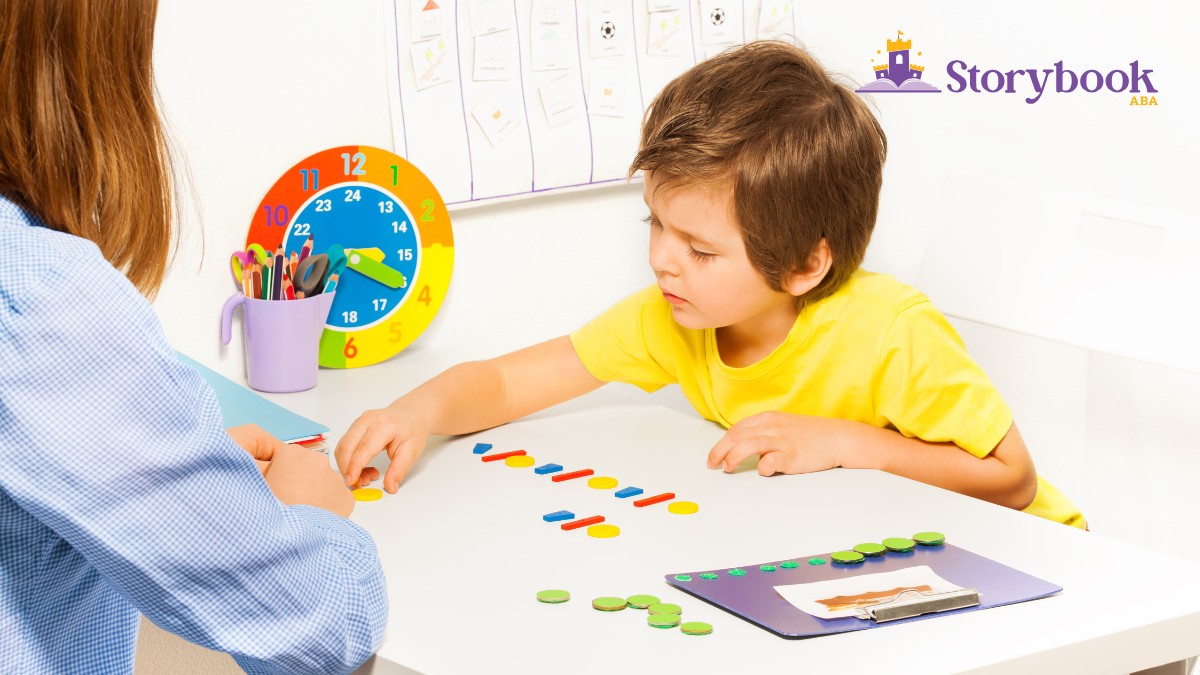
Sensory needs don’t stop at the K–12 level. Many college students continue to need support for challenges related to autism, ADHD, and other conditions that affect executive function and self-regulation. But too often, campuses lack the infrastructure to meet these needs effectively.
Introducing sensory rooms into spaces like McKeldin Library could bridge that gap. When students have a calm place to decompress and regain focus, their academic performance—and overall mental health—can significantly improve.
Helping Families and Students Beyond Campus
At Storybook ABA, we understand how crucial sensory regulation is for long-term success—not just in school, but in daily life. That’s why our ABA therapists in Maryland prioritize sensory strategies as part of individualized therapy plans. Whether your child is preparing for future academic environments or navigating sensory sensitivities at home, we’re here to help them thrive.
Get in touch today to find out how we can support your child’s developmental journey with practical, personalized care. Our team of experienced ABA therapists in Maryland is ready to meet your child where they are—providing the tools and strategies they need to succeed both now and in the future. Let’s take the next step forward, together.