

Key Points:
- Tactile sensitivity and tactile defensiveness often stem from atypical sensory processing pathways in the brain.
- These conditions can impact daily routines, social engagement, and emotional regulation.
- Practical strategies, environmental adjustments, and ABA-informed support can help children feel safer and more comfortable.
Tactile sensitivity, or tactile defensiveness, is a common sensory processing challenge for many children with autism. It occurs when the nervous system overreacts to touch, whether it’s clothing tags, grooming routines, or casual physical contact. What may seem like a mild sensation to others can trigger discomfort, anxiety, or even a fight-or-flight response in a sensory-sensitive child.
Recognizing these signs and understanding their root causes is essential for creating supportive, respectful environments. In this article, we’ll explore the causes of tactile sensitivity, how it impacts daily life, and the strategies—including ABA-informed approaches—that can help your child feel more regulated and in control.
What Causes Tactile Sensitivity?
Tactile sensitivity occurs when the nervous system overreacts to touch, often interpreting harmless sensations—like clothing tags or light contact—as uncomfortable or threatening. In autistic individuals, this is typically due to differences in how the brain processes sensory input. Overactive neural pathways or reduced sensory filtering can make even gentle touch feel intense.
Other contributing factors may include genetic influences, neurodevelopmental wiring, or past negative experiences with specific textures. When touch becomes associated with discomfort, children may develop defensive behaviors to avoid it. Understanding these causes helps caregivers respond with empathy and create supportive, sensory-aware environments.
How Does Tactile Defensiveness Affect Daily Life?
For children who are touch-sensitive, daily tasks can become emotionally taxing and physically uncomfortable. Touch defensiveness may cause behaviors that appear resistant or avoidant, but they often reflect genuine sensory distress.
Tactile sensitivity may influence:
1. Clothing Sensitivities
Children may refuse scratchy or tight fabrics, often insisting on tag-free, soft clothing to avoid overwhelming tactile discomfort during dressing routines.
2. Grooming Challenges
Daily grooming tasks like hair brushing or tooth brushing can trigger distress due to direct touch, leading to meltdowns or total avoidance.
3. Difficulty With Affectionate Touch
Even gentle hugs or casual physical contact can feel threatening, causing children to withdraw or avoid social closeness with peers and family.
4. Startle or Defensive Responses
Unexpected touch may lead to flinching, fleeing, or aggressive reactions, as the child’s nervous system perceives it as unsafe or alarming.
5. Avoidance of School Activities
Tactile defensiveness can limit participation in classroom crafts, recess, or group games, affecting learning, peer connection, and confidence.
These impacts can accumulate, creating self-esteem issues, isolation, and misinterpretation of behavior.
What Are the Signs of Tactile Defensiveness?
Recognizing tactile defensiveness requires watching for behavior and emotional cues. Kids often express sensory distress through movement, avoidance, or vocal signs rather than words.
Common signs include:
- Intense reaction to light touch (e.g., flinching, crying)
- Refusal to wear certain fabrics or shoes
- Aggression when unexpectedly touched
- Overwhelmed by hair brushing, nail clipping, or handwashing
- Physical stiffness or arching when held or patted
These aren’t tantrums—they’re communication tools. They show the child’s nervous system signaling pain or distress.
Why Do Some Textures Trigger Strong Reactions?
Certain textures can trigger strong reactions in individuals with tactile sensitivity because their nervous systems process touch differently. What feels neutral to one person may be perceived as irritating, overwhelming, or even painful to someone with tactile defensiveness.
This response is often due to heightened sensory thresholds, where even light or routine contact feels intense. Past negative experiences—like discomfort from a scratchy sweater—can also create learned aversions.
Additionally, some individuals experience spatial processing differences, making certain textures feel unpredictable or as if they’re impacting the whole body at once. These factors combine to make certain materials particularly distressing.
What Strategies Help With Tactile Sensitivity?
Parents and caregivers can support children by creating tactile-safe environments and building touch tolerance. The approach combines avoidance, choice, and gentle exposure, not forced.
Here are effective strategies to consider:
1. Clothing Adjustments
Choose soft, tag-free, and flexible fabrics to reduce irritation. Let children select their clothing to ensure comfort and promote autonomy in managing tactile input.
2. Personal Grooming Tools
Use soft-bristled brushes, silicone toothbrushes, and detangling sprays to minimize discomfort during grooming. Allow choice and control to ease anxiety around touch.
3. Sensory “Safe” Kits
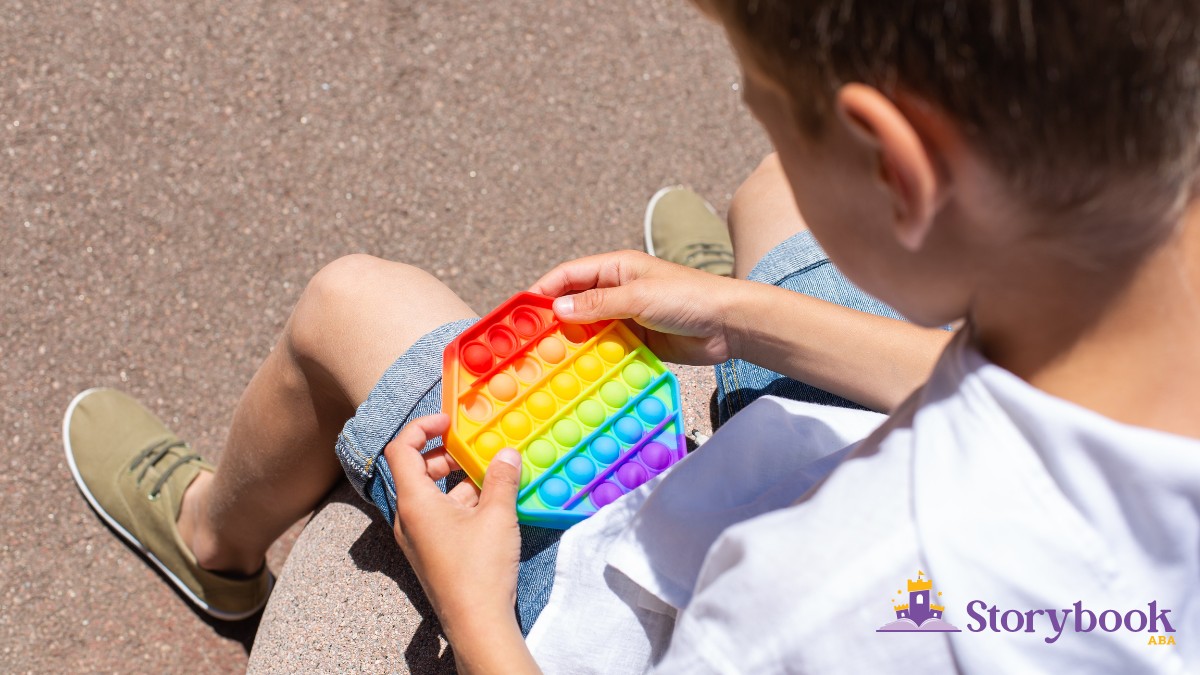
Equip children with portable kits containing preferred textures, fidget toys, or chewables. These tools help them self-regulate and feel more in control in various environments.
4. Calming Tactile Activities
Introduce predictable, hands-on activities like play-dough or kinetic sand. These build tolerance through positive, structured tactile play experiences.
5. Environmental Control
Offer supports like noise-cancelling headphones or soft seating in high-stimulation settings. Reducing sensory overload can make touch feel less overwhelming.
6. Desensitization Plans
With a therapist’s help, gently expose children to challenging textures using play and rewards, gradually increasing comfort and reducing defensiveness.
7. Clear Communication
Teach children to use visuals, signs, or words to express discomfort. Advocating for their needs builds confidence and reduces sensory-related stress.
These strategies respect the child’s sensory system while providing opportunities for growth.
How Do You Create a Touch-Friendly Environment?
A touch-friendly environment reduces sensory triggering and increases comfort. It’s not about removing all textures but optimizing choice, predictability, and control. Below are some steps to create a supportive space:
- Audit common textures: Identify clothing, furniture, or classroom materials that cause distress.
- Offer choices: Provide tactile options rather than imposing one type (soft vs. rough).
- Build sensory zones: Include tactile play areas with safe materials, separate from spaces used for challenging textures.
- Educate peers: Teach classmates or siblings simple boundaries like “ask before touching.”
- Use visual schedules: Show tasks involving touch (e.g., hair brushing), so the child knows what’s coming.
These steps help children feel in control, lowering anxiety and increasing participation in daily routines.
Can ABA Therapy Support Tactile Defensiveness?
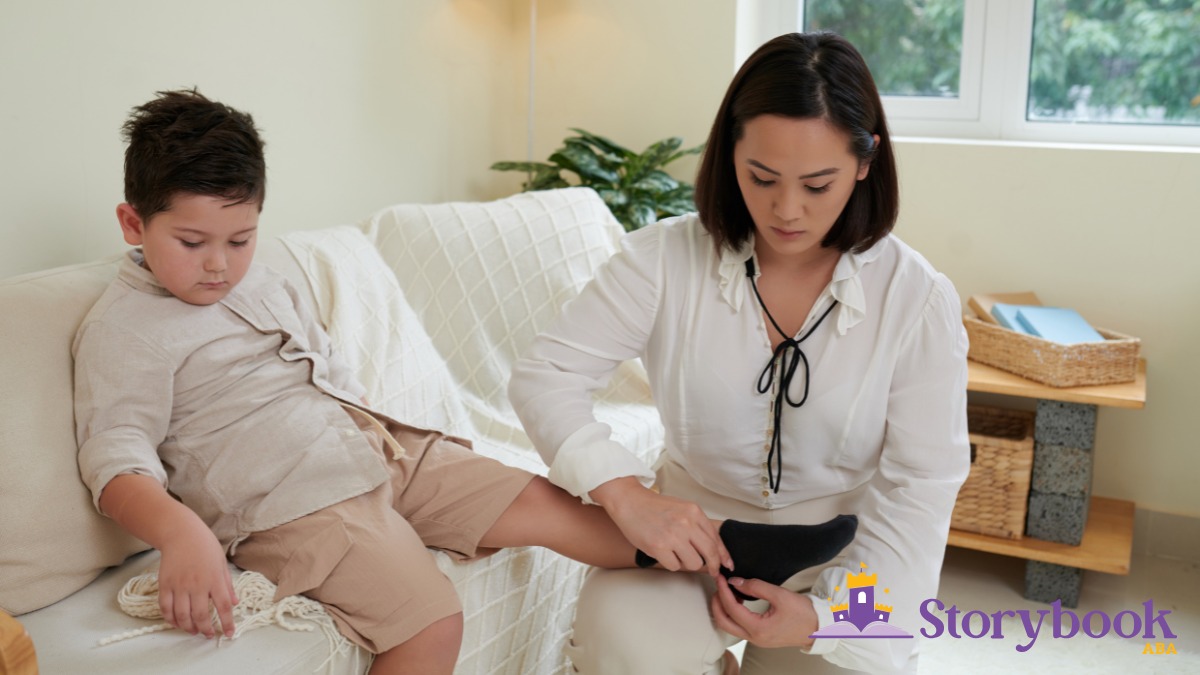
Yes, ABA therapy can support tactile defensiveness by teaching coping strategies, communication skills, and alternative behaviors in response to touch-related stress. While not a sensory therapy, ABA can integrate sensory-informed practices to reduce distress.
Therapists may use reinforcement, visual supports, and gradual exposure—always at the child’s pace—to increase comfort with touch. Collaboration with occupational therapists ensures that tactile strategies align with sensory needs, making ABA a valuable part of a comprehensive support plan.
Reach New Milestones With ABA Therapy
Understanding what causes tactile sensitivity is only the first step. The real work is in putting strategies into practice and adapting environments and routines. Consistency, choice, and empathy are the foundation.
At Storybook ABA, our team offers ABA therapy in Virginia and Maryland, with a sensory-informed lens on behavior and daily living. We support families by combining tactile strategies with behavior education and practical skills.
Get in touch with us to learn how ABA therapy in Maryland or Virginia can help your child feel safer, more comfortable, and more confident—one gentle touch at a time.